

Key Takeaways
What the Mental Wellness Spectrum Actually Means
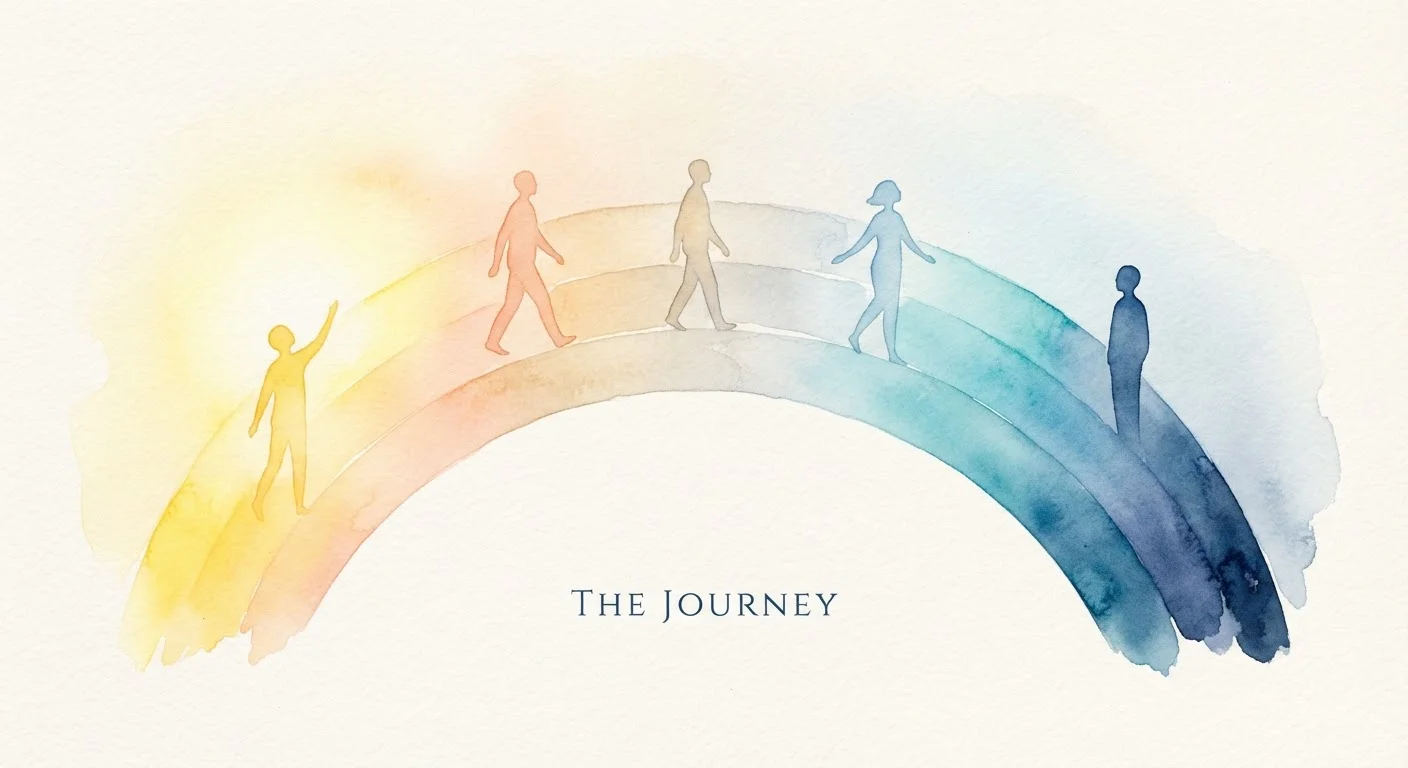
Mental wellness is often discussed in binary terms: you either have a mental health condition or you don't. That framing is both clinically outdated and practically unhelpful. A more accurate - and more empowering - model treats mental wellness as a continuum: a dynamic range of states that anyone can occupy, and move between, over the course of days, years, or a lifetime.
This spectrum model draws on frameworks used in clinical psychology and public health, including the work informing the Substance Abuse and Mental Health Services Administration (SAMHSA) and the World Health Organization's definition of mental health as "a state of well-being in which an individual realizes his or her own abilities, can cope with the normal stresses of life, can work productively, and is able to make a contribution to their community."
Critically, the spectrum applies to everyone - not just those with a diagnosed condition. Understanding it gives you a practical language for describing your internal experience and a compass for deciding what kind of support, if any, is appropriate right now.
This Article Is Educational, Not Medical Advice
The content in this guide is intended for general informational and educational purposes only. It does not constitute medical advice, diagnosis, or treatment. Individual mental health needs vary significantly - please consult a qualified healthcare professional for guidance tailored to your circumstances.
This article is general health information and education, not medical advice. If you are experiencing distressing symptoms, please consult a qualified healthcare professional.
The Four Zones of the Spectrum
While any spectrum is technically infinite, mental health professionals commonly describe four broad zones that help people locate themselves and understand what movement between zones looks like.
1. Thriving
In this zone, mood is generally stable, coping resources feel adequate, and engagement with work, relationships, and personal goals feels meaningful. Stress is present but manageable. This is not a permanent state - even high-functioning people cycle out of it during life transitions or acute challenges.
2. Struggling
Here, everyday functioning is somewhat impaired. Sleep may be disrupted, concentration harder, and emotional reactivity higher than usual. Struggling is not a disorder, but it is a signal worth heeding. Many people in this zone benefit from intentional self-care adjustments, increased social support, or a conversation with a primary care provider.
3. Symptomatic
Persistent symptoms - low mood lasting several weeks, significant anxiety, social withdrawal, or changes in appetite - that interfere with daily life characterize this zone. A clinical diagnosis may or may not be present, but professional evaluation is strongly advisable. Symptoms in this zone rarely resolve through willpower alone.
4. Crisis
Acute safety concerns, inability to meet basic needs, or thoughts of self-harm define this zone. Immediate professional intervention is essential. If you or someone you know is in crisis, contact the 988 Suicide and Crisis Lifeline by calling or texting 988 in the U.S.
Movement Between Zones Is Normal
Shifting across the mental wellness spectrum is a universal human experience, not a personal failing. Recognizing that you've moved from Thriving to Struggling is not a crisis - it is valuable information. Early recognition paired with appropriate action is the most protective response available to you.
Movement between zones is normal and does not indicate personal failure. The goal is not to stay permanently in "Thriving" but to recognize early drift toward distress and respond constructively.
1 in 5
U.S. adults experiencing mental illness annually
According to the National Institute of Mental Health (NIMH), approximately 22.8% of U.S. adults lived with a mental illness in 2021.
57%
Adults with mental illness who receive no treatment
SAMHSA's National Survey on Drug Use and Health consistently finds a majority of adults with mental illness do not receive care in a given year.
11 years
Average delay between symptom onset and treatment
Research published in the journal Psychiatric Services estimates the median delay between first symptom onset and treatment is about 11 years.
Daily Habits That Support Wellness Across the Spectrum
Research consistently identifies a cluster of behavioral practices that strengthen psychological resilience regardless of where you currently sit on the spectrum. These are not cures, but they are meaningful protective factors supported by substantial evidence.
- Sleep: The American Academy of Sleep Medicine links chronic insufficient sleep to increased risk of anxiety and depression. Prioritizing seven to nine hours for adults is among the highest-impact wellness investments available.
- Physical movement: Regular moderate exercise is associated with reductions in depressive and anxious symptoms across multiple meta-analyses. Even a 20-minute walk has measurable short-term mood effects.
- Social connection: Loneliness carries well-documented risks for both mental and physical health. Intentional investment in relationships - not just passive social presence - matters. See what the evidence shows about social connection and mental wellness for a deeper look.
- Mindfulness and stress regulation: Practices such as diaphragmatic breathing, body scans, and mindfulness-based stress reduction (MBSR) have a meaningful evidence base for reducing the physiological stress response.
- Digital intentionality: Passive social media consumption correlates with increased depressive symptoms in several studies. Digital mental health tools offer real convenience but come with trade-offs worth understanding - explore the trade-offs of digital mental health apps before relying on them exclusively.
Don't wait until you're in distress to establish a relationship with a mental health professional. A single intake session during a stable period means you have a resource in place when you actually need it.
Barriers to accessing care are significantly higher during acute distress - having a prior relationship removes the friction of starting from scratch.
Track your mood in terms of trends, not daily snapshots. A week of data is far more informative than how you feel on any given morning.
Mood is naturally variable; pattern recognition over time is what reveals meaningful shifts warranting attention.
When to Seek Professional Support
A persistent cultural myth suggests professional help is only appropriate during crisis. In reality, therapy and psychiatric care are useful and appropriate across multiple spectrum zones - including when things are going reasonably well but you want to build resilience or work through a specific challenge.
Consider reaching out to a professional if:
- Symptoms persist for two weeks or more and are interfering with daily life.
- You find yourself relying on alcohol, substances, or compulsive behaviors to regulate your mood.
- Close relationships are being strained by your emotional state.
- You are experiencing thoughts of harming yourself or others - seek help immediately.
Your primary care physician is a reasonable first contact. They can conduct an initial screening, rule out physical contributors (thyroid disorders, for instance, can mimic mood disorders), and provide referrals to behavioral health specialists. Therapists, psychologists, psychiatrists, and licensed counselors each offer distinct scope and services - a professional can help identify the right fit.
Apps Are Not Diagnostic Tools
Online symptom checkers and wellness apps are not diagnostic tools. They can support awareness and self-monitoring, but they are not substitutes for clinical evaluation, especially in the Symptomatic or Crisis zones. Always consult a licensed healthcare professional if you are concerned about persistent or worsening symptoms.
Online symptom checkers and wellness apps are not diagnostic tools. They can support awareness and self-monitoring, but they are not substitutes for clinical evaluation, especially in the Symptomatic or Crisis zones.
Navigating the Spectrum Over a Lifetime
Accepting that movement across the mental wellness spectrum is normal - not a sign of weakness - is itself a meaningful psychological shift. Most people will experience periods of thriving, stretches of struggling, and episodes of more significant distress over the course of a lifetime. The goal is not to eliminate difficult states but to develop the self-awareness to recognize them early and the toolkit to respond adaptively.
Self-monitoring practices - journaling, mood tracking, regular check-ins with trusted people in your life - build the observational muscle that makes early recognition possible. Combining these with professional relationships established before crisis (much like scheduling regular physical check-ups) is a proactive stance that many mental health advocates and clinicians recommend.
Your mental wellness is not static, and it is not a personal verdict. It is a dynamic, responsive dimension of health - one that can be supported, strengthened, and navigated with the right information and the right help.
Start with the Basics Before Adding More
Before investing in premium wellness tools or complex programs, solidify sleep, movement, and one meaningful social connection. Research consistently shows these three pillars provide the greatest return for psychological resilience. Build the foundation first, then layer in additional strategies.
This article is for general informational and educational purposes only and does not constitute medical advice. Please consult a qualified healthcare professional regarding any symptoms or concerns about your mental health.
988 Suicide and Crisis Lifeline
Free, confidential crisis support available 24/7 by calling or texting 988 in the United States. Trained counselors provide immediate help for mental health crises.
SAMHSA National Helpline
The Substance Abuse and Mental Health Services Administration operates a free, confidential helpline (1-800-662-4357) offering referrals to treatment and support services.
Social Connection and Mental Wellness
An evidence-based look at how intentional social connection supports psychological health - and practical strategies for nurturing it in everyday life.
Digital Mental Health Apps: A Balanced Review
A balanced assessment of what mental wellness apps offer and where their real limitations lie, helping you make informed decisions about digital tools.