

Key Takeaways
Annual Wellness Exam
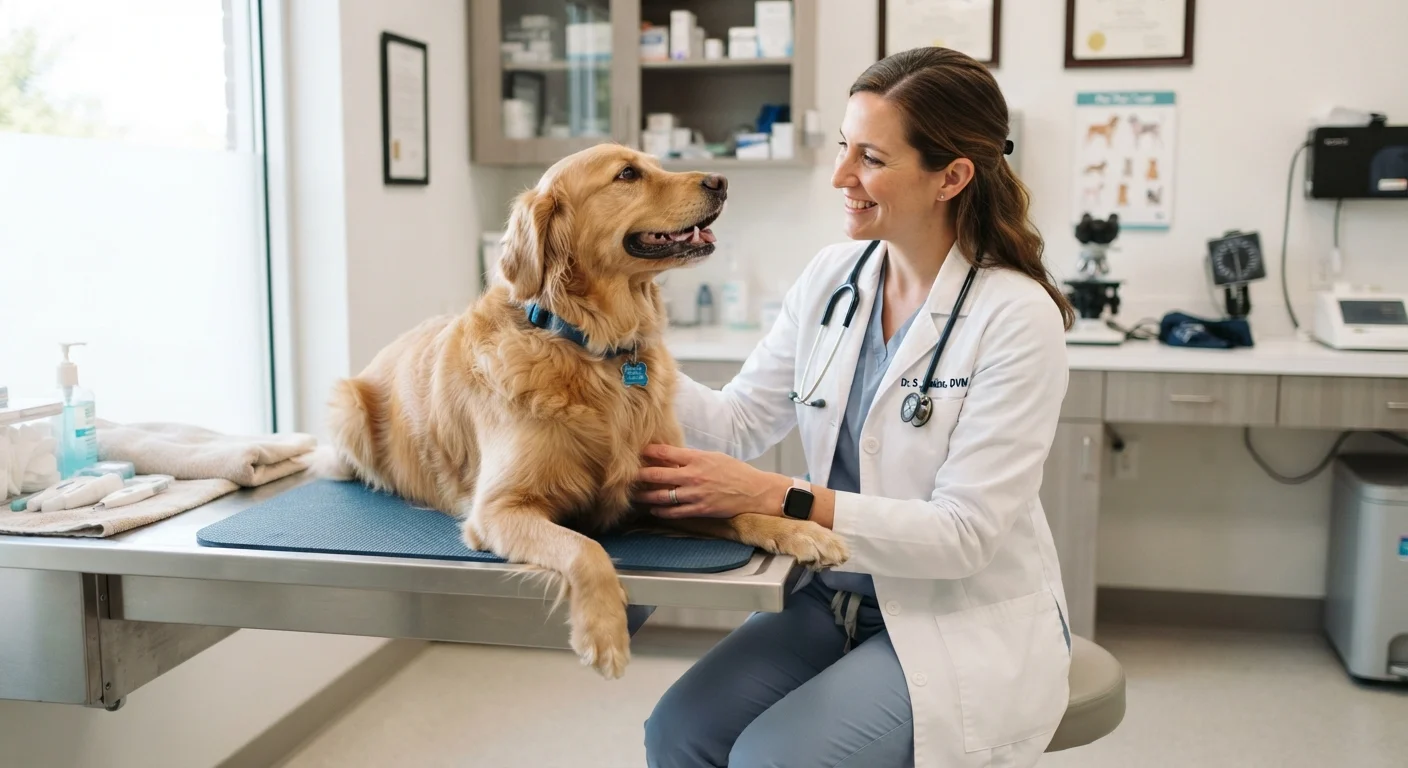
An annual wellness exam is a scheduled, head-to-tail physical checkup performed by a licensed veterinarian once a year - or more frequently for senior pets and young animals. It evaluates your pet's overall health, updates vaccinations, screens for early signs of disease, and gives you a chance to ask questions about behavior, diet, or any concerns. Unlike a sick visit, a wellness exam focuses on prevention rather than treatment.
Veterinarians use wellness exams to establish baseline physiological data - weight, heart rate, temperature, and organ palpation findings - which makes abnormalities easier to detect in future visits.
What Actually Happens During the Exam
When you walk through the clinic door, the exam has already begun. Veterinary staff note how your pet moves, stands, and reacts - behavioral observations that provide useful clinical context before a single instrument is used.
The physical examination itself follows a systematic sequence covering roughly ten body systems. The vet will:
- Check weight and body condition score - comparing to previous visits to flag unexplained gain or loss
- Examine eyes, ears, and nose - looking for discharge, inflammation, or early signs of infection
- Inspect the mouth and teeth - dental disease affects the majority of pets over age three and can impact organ health if left untreated
- Palpate the lymph nodes and abdomen - assessing organ size and detecting unusual masses
- Listen to heart and lungs - identifying murmurs, arrhythmias, or abnormal breath sounds
- Assess skin and coat condition - signs of allergies, parasites, or systemic illness often surface here
- Evaluate musculoskeletal function - watching for joint stiffness, especially in older animals
Depending on your pet's age and history, the vet may also recommend bloodwork, a urinalysis, or fecal parasite testing as part of the visit. These aren't automatic add-ons - they're targeted tools based on your pet's individual risk profile.
Make the Most of Every Visit
Write down any changes you've noticed in your pet's behavior, appetite, water intake, or activity level before the appointment - even if they seem minor. Veterinarians rely heavily on owner observation because pets cannot self-report symptoms. A brief list takes two minutes to prepare and can meaningfully shape the exam's focus.
Why Prevention Outweighs Treatment
The case for annual exams is fundamentally a case for early detection. Conditions like chronic kidney disease, early-stage diabetes, and cardiac abnormalities rarely announce themselves with obvious symptoms until they've progressed significantly. By the time a pet owner notices something is wrong, treatment options may be more limited - and considerably more expensive.
80%
Pets with dental disease by age 3
According to the American Veterinary Medical Association, the majority of dogs and cats show signs of periodontal disease by their third year of life.
2x
Senior pet exam frequency recommended
Veterinary guidelines generally recommend twice-yearly exams for pets over age 7 to match their accelerated rate of physiological change.
1 in 3
Pets develop cancer in their lifetime
The Veterinary Cancer Society estimates that cancer accounts for nearly half of deaths in pets over age 10, underscoring early-detection value.
This is the same logic behind routine maintenance for any complex system. Just as regular servicing identifies problems before a breakdown, the wellness exam gives vets data points to track trends over time. A heart murmur caught at grade one requires monitoring; caught at grade four, it may require urgent intervention.
For pet owners thinking about cost, it's worth noting that pet insurance coverage sometimes includes wellness care or offers optional wellness riders. Understanding your policy before skipping a visit is a practical financial step.
It also matters for behavioral health. The annual exam is a formal opportunity to discuss changes in appetite, sleep, anxiety, or social behavior - all of which can be early markers of physical or neurological conditions that respond well to early management.
How Frequency Should Change as Your Pet Ages
A one-size-fits-all schedule doesn't reflect the reality of how differently animals age. Puppies and kittens need multiple visits in their first year to complete vaccination series and monitor rapid development. Adult pets in their prime years benefit from annual exams. Senior animals - generally dogs and cats over seven, though this varies by breed and size - are typically recommended to visit every six months.
The rationale is straightforward: aging pets experience accelerating metabolic and physiological change. What's normal at age eight may not be normal at age ten, even without any acute illness. More frequent baseline measurements mean earlier detection windows.
If you're building preventive care into your household's regular routine, a structured pet care schedule can make vet appointments easier to track alongside daily feeding, grooming, and exercise. And for owners who are newer to all of this, a first-time owner's health foundation guide covers the broader context of building a relationship with your veterinarian from the start.
This article provides general pet health information and is not a substitute for professional veterinary advice. Always consult a licensed veterinarian for guidance specific to your pet's health needs.