

Key Takeaways
Why an Emergency Fund Belongs Inside Your Budget
Most people think of an emergency fund as something they'll fund after everything else is handled. In practice, that approach rarely works. When every dollar is already spoken for, there's nothing left to save. The fix is simple but requires a mindset shift: treat your emergency fund contribution the same way you treat rent or utilities - as an obligation, not an option.
An emergency fund is a cash reserve set aside specifically for unplanned but unavoidable expenses: a car repair, a medical bill, a sudden job gap. Without one, these events typically push people toward high-interest credit card debt or personal loans, which can take months or years to pay off. Building the fund inside your budget means it gets funded every month, regardless of circumstances.
If you're still getting the fundamentals in place, see our foundational budgeting guide before moving through these steps. And if you haven't built your monthly budget yet, setting up your first monthly budget is a helpful starting point.
What you will need
How to Build Your Emergency Fund Step by Step
Follow these steps to carve out room for emergency savings inside your existing monthly plan. The goal is not perfection - it's consistency. Small, regular contributions compound into meaningful protection over time.
Set a Realistic Target Amount
A widely cited guideline is to save three to six months of essential living expenses - costs like housing, utilities, groceries, and transportation. Start by adding up only the expenses you'd absolutely need to cover if your income stopped. That total, multiplied by three, gives you a conservative target to work toward.
If three to six months feels overwhelming right now, set an intermediate milestone: aim for $500 or $1,000 first. Having any cushion at all dramatically reduces the likelihood you'll reach for a credit card during a small emergency.
Add a Savings Line to Your Monthly Budget
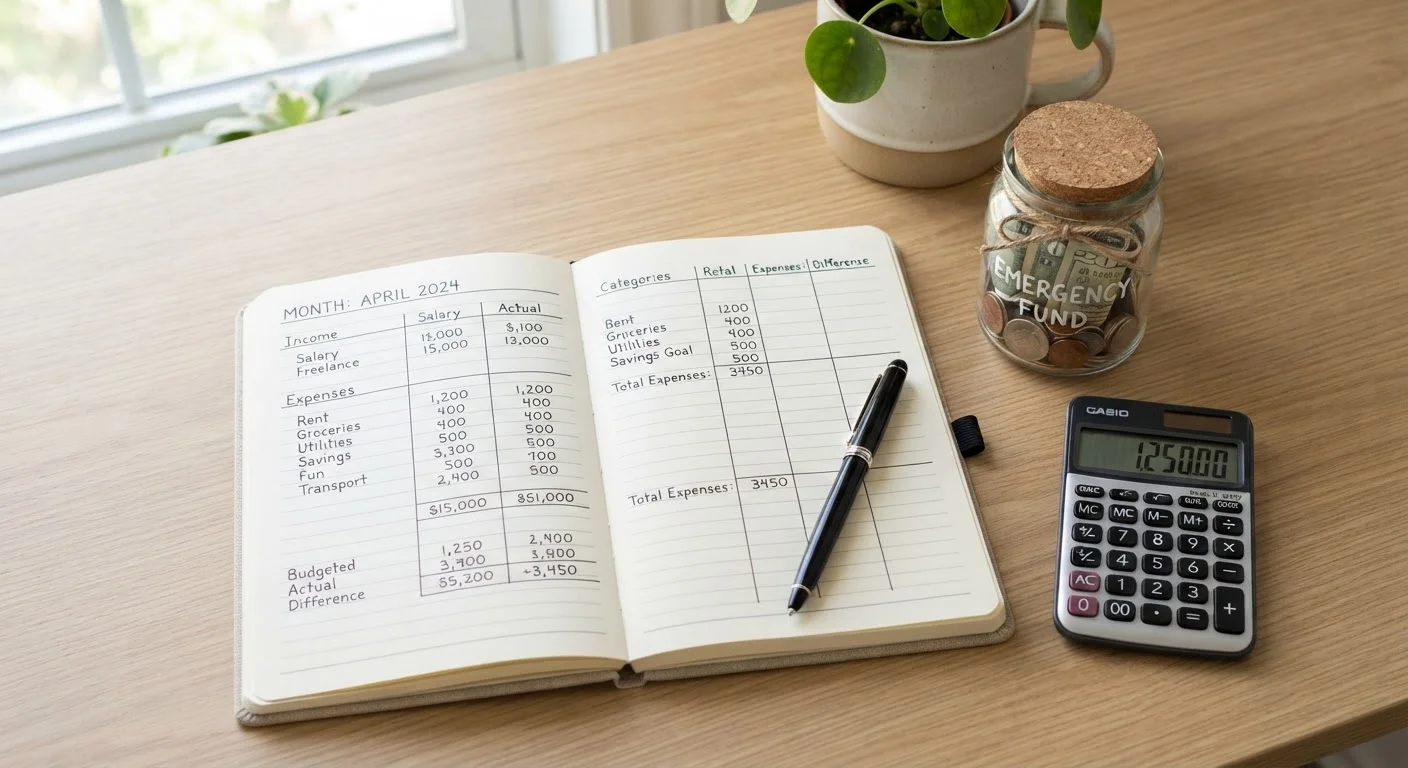
Open your current monthly budget and add a dedicated line item called "Emergency Fund." Treat this contribution exactly like a fixed bill. Determine an amount you can reliably contribute each month - even if it's $25 or $50 - and assign it before you allocate money to discretionary categories like dining out or entertainment.
This sequencing matters. When savings comes last, it rarely happens. When it comes first, it almost always does.
Open a Dedicated Savings Account
Keep your emergency fund in a separate account from your everyday checking. This separation makes the money less tempting to spend and easier to track. A basic savings account at your current bank works fine. High-yield savings accounts, offered by many online banks, may provide a higher interest rate on your balance - worth comparing, though rates vary and are not guaranteed.
The key is separation, not sophistication. A dedicated account with a meaningful name - even just labeling it "Emergency Fund" - reinforces its purpose every time you see it.
Automate the Transfer
Schedule an automatic transfer from your checking account to your emergency fund account on or just after each payday. Most banks allow you to set this up online in a few minutes. Automation removes the decision entirely - you never have to remember to save, and you're never tempted to skip a month.
Match the transfer date to your cash flow. If you get paid on the 1st and 15th, set two smaller transfers rather than one large monthly one. Consistency matters more than timing.
Find Room by Auditing Discretionary Spending
If your budget is already stretched, you'll need to identify where to find the contribution amount. Review the last two to three months of discretionary spending - subscriptions, takeout, impulse purchases - and look for categories where you can reduce spending temporarily. Even a $30-$50 monthly reduction can fund meaningful savings over time.
You don't need to cut everything permanently. The goal is to free up enough margin to honor the emergency fund line item every month until the fund reaches its target.
Use Windfalls Strategically
Tax refunds, bonuses, gifts, or any unexpected income are an opportunity to accelerate your progress. Consider directing a meaningful portion - at least 50% is a common guideline - directly into your emergency fund when windfalls arrive. This can shave months or years off the time it takes to reach your target.
Plan this decision in advance. If you wait until the money arrives to decide what to do with it, lifestyle spending tends to absorb it quickly.
Small Contributions Add Up Faster Than You Think
Saving $50 per month adds up to $600 in a year - enough to cover many common emergencies like a car repair or an unexpected medical copay. The habit of saving consistently matters more than the size of any individual contribution. Start with what you can afford today and increase the amount whenever your income or expenses allow.
It's worth noting that an emergency fund serves a different purpose than a sinking fund. Sinking funds are earmarked for predictable future costs like car registration or holiday gifts, while an emergency fund is strictly a buffer against the unexpected. Many households benefit from maintaining both.
If you're also carrying debt, you don't necessarily have to choose between saving and paying it down. A realistic framework for saving while in debt can help you navigate both goals simultaneously.
Maintaining and Growing Your Fund Over Time
Once your fund reaches your initial target, don't stop reviewing it. Life circumstances change - income grows, expenses shift, family size changes - and your fund should reflect your current reality, not the one you had when you started. Revisit the target amount annually or after any major life event.
Don't Raid the Fund for Non-Emergencies
An emergency fund loses its protective value if it's regularly tapped for planned or predictable expenses. Before withdrawing, ask: Is this truly unexpected? Is it necessary? Could it wait? Planned costs - like a vacation, a new appliance, or holiday gifts - should come from a separate savings category, not your emergency reserve. If you do use the fund, make replenishing it a budget priority in the months that follow.
After your emergency fund is fully funded, you'll be in a stronger position to direct extra monthly cash flow toward longer-term goals. Building savings discipline now creates a direct path toward investing essentials and broader financial resilience. All investment decisions, however, should be made in consultation with a qualified financial professional who understands your full situation.
This article is for general informational and educational purposes only and does not constitute personalised financial advice. Consult a licensed financial adviser before making decisions specific to your circumstances.