

Key Takeaways
Periodontal Disease in Pets
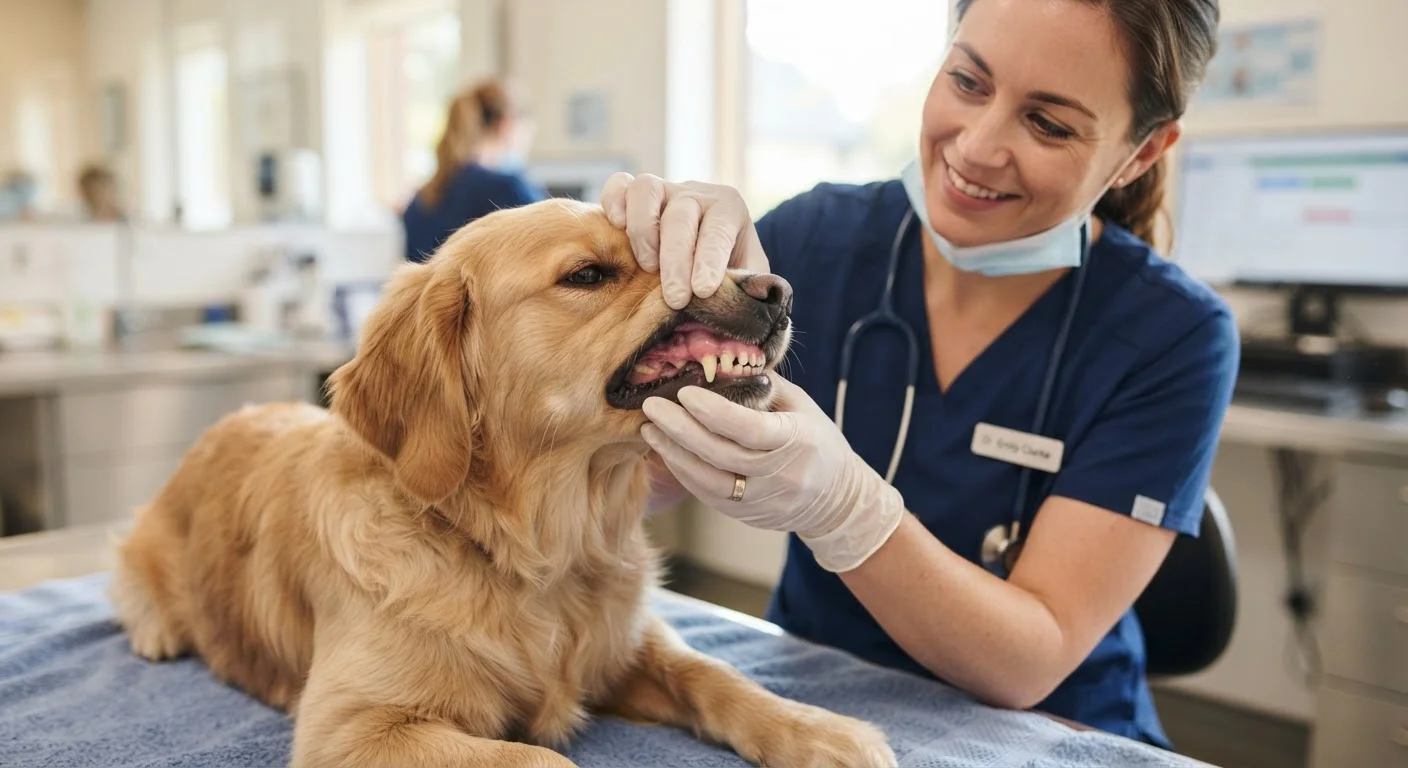
Periodontal disease is an infection and inflammation of the structures supporting a pet's teeth, including the gums, ligaments, and bone. It begins as plaque buildup and progresses to tartar, gingivitis, and eventually tooth and bone loss. It is the most commonly diagnosed health condition in adult dogs and cats.
Periodontal disease is graded on a four-stage scale (PD1-PD4) by veterinarians; stages PD3 and PD4 involve irreversible bone and tissue loss that cannot be restored with cleaning alone.
A Hidden Problem in Plain Sight
Dental health rarely tops the list of pet care concerns for most owners - and that gap has real consequences. Studies cited by the American Veterinary Medical Association indicate that by age three, the majority of dogs and cats already have some form of periodontal disease. Yet it remains one of the most underaddressed health issues in companion animals.
Part of the reason is invisibility. Unlike a limp or a skin rash, dental disease develops quietly beneath the gumline. Pets are also instinctively inclined to hide discomfort, so owners often assume a pet that eats normally has a healthy mouth. That assumption can allow disease to advance significantly before it's caught.
This is worth understanding alongside other common misconceptions about pet health - see our look at pet health myths vets wish would disappear for related context.
~80%
Dogs with periodontal disease by age three
According to the American Veterinary Medical Association, the majority of dogs show signs of dental disease by their third year of life.
~70%
Cats affected by dental disease by age three
Cats develop periodontal disease at similarly high rates, often going undetected due to their tendency to conceal discomfort.
Stage 1-4
Severity scale used by veterinary dentists
Veterinarians grade periodontal disease from early gingivitis (Stage 1) to severe bone loss (Stage 4), guiding treatment decisions.
Why Dental Disease Goes Beyond the Mouth
The consequences of untreated periodontal disease aren't limited to bad breath or lost teeth. The mouth is a gateway to the bloodstream, and chronic oral infection means bacteria can travel to major organs. Veterinary research has associated advanced dental disease with changes in kidney, liver, and heart function in dogs and cats.
This systemic connection makes dental care a whole-body issue - not a cosmetic one. Owners who are already managing a pet's chronic condition may find oral health is a contributing factor worth discussing with their vet. Our guide on managing pets with chronic conditions covers how ongoing health issues intersect in practice.
For senior pets especially, the stakes are higher. Aging animals are more susceptible to organ stress, and dental disease compounds that vulnerability. Senior pet care warrants a closer look at oral health as part of any aging wellness plan.
“The mouth is not isolated from the rest of the body. Infection and inflammation in the oral cavity can have measurable effects on distant organ systems - which is why we view dental disease as a systemic health concern, not just a local one.”
— Dr. Jan Bellows, Board-certified veterinary dentist and past president of the American Veterinary Dental College
What Prevention Actually Looks Like
The most effective at-home measure is daily toothbrushing using a soft-bristled brush and toothpaste formulated for pets - human toothpaste contains ingredients that are harmful to animals. Consistency matters more than perfection; even a brief daily brush disrupts plaque before it hardens into tartar.
For pets that resist brushing, veterinary dental organizations have evaluated certain products - dental chews, diets, and water additives - and publish accepted product lists. These are adjuncts, not replacements, for brushing and professional care.
Start Slow With Toothbrushing
Introduce toothbrushing gradually - begin by letting your pet taste the toothpaste, then progress to gentle gum contact over several days or weeks. Short, positive sessions are more sustainable than forcing the process. Many pets become tolerant of brushing when it's introduced as a calm, routine activity from an early age.
Professional dental cleanings performed under general anesthesia allow veterinarians to scale below the gumline, probe for pocketing, take dental X-rays, and address disease that simply cannot be seen or treated from the surface. This is not optional for pets with advancing disease.
Building these habits early pays dividends over a pet's lifetime. Our first-time owner's health foundation guide covers how to establish preventive care routines from the start.
Making Dental Care Part of Routine Pet Ownership
Dental health belongs in the same category as vaccinations, parasite prevention, and nutrition - foundational, not optional. Owners who already pay attention to areas like grooming habits that affect overall health will recognize the same principle at work: consistent, proactive attention prevents the kind of damage that becomes expensive and painful to reverse.
Ask your veterinarian to perform a dental assessment at every annual visit and to explain the grading of any disease found. Understanding the stage of your pet's periodontal health helps you make informed decisions about when professional cleaning is needed and what home care routine is realistic for your animal.
Dental disease is common - but it isn't inevitable. With regular professional evaluations and consistent home care, most pets can maintain meaningfully better oral health than the statistics suggest is average.
This article is for general informational purposes only and is not a substitute for professional veterinary advice. Always consult a licensed veterinarian for guidance specific to your pet's health needs.