

Key Takeaways
Why Hair Color Fades Faster Than Expected
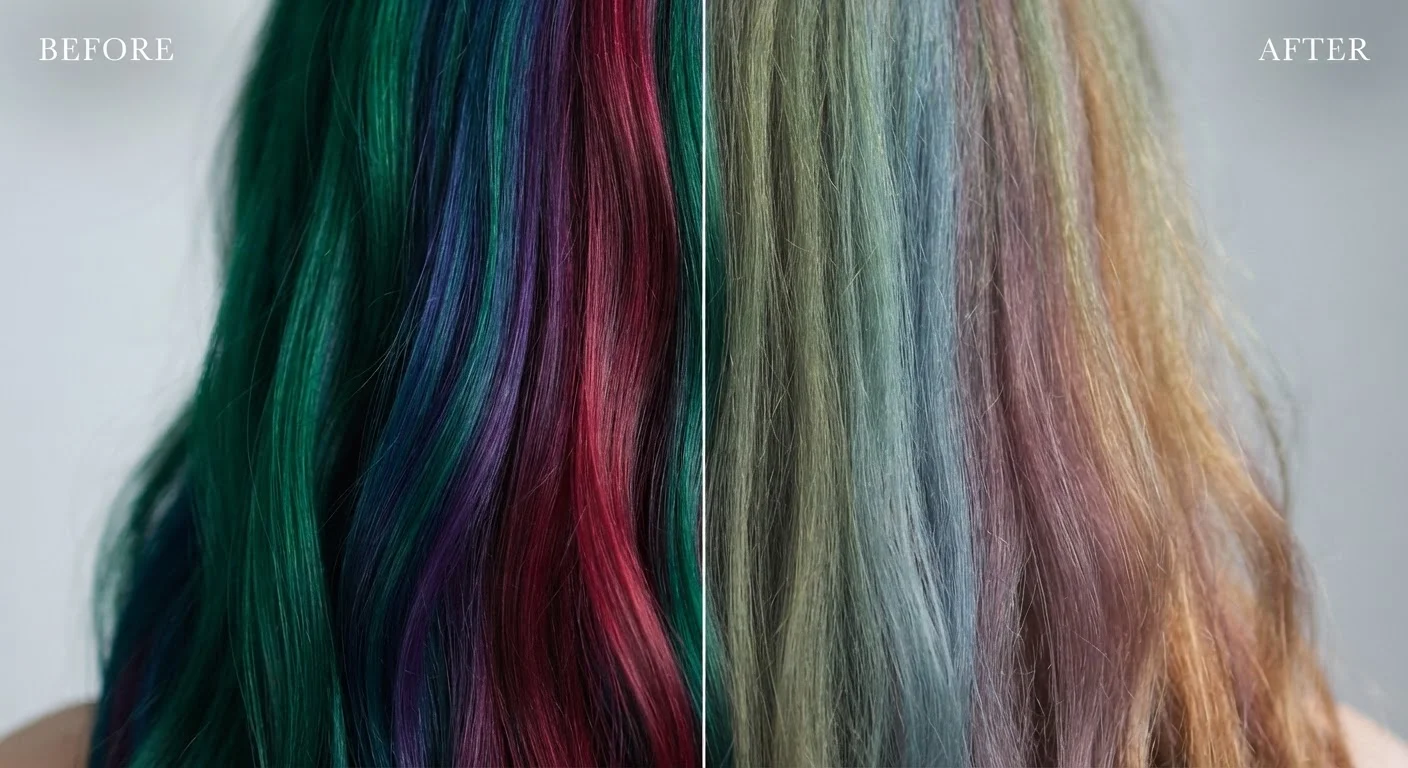
Color-treated hair requires a different kind of maintenance than untreated hair - and most premature fading traces back to habits that seem completely unrelated to color. Understanding the basic mechanics helps. When hair is colored, dye molecules either coat the outside of the hair shaft (as with semi-permanent dye) or penetrate into the cortex (as with permanent color using an oxidizer). Either way, the cuticle - the outermost protective layer of the hair strand - plays a central role in keeping those molecules where they belong.
Anything that forces the cuticle open or compromises its structure creates an escape route for pigment. That includes heat, harsh detergents, UV radiation, and mechanical stress. The fixes are straightforward once you know what's actually happening.
~80%
Of color fade attributed to washing habits
Hair care professionals broadly estimate that the majority of premature color loss is washing-related, including water temperature, product choice, and wash frequency.
48-72 hrs
Recommended wait before first post-color wash
This window, commonly cited by professional colorists, allows oxidative dye to fully bond within the hair cortex before exposure to water and detergent.
2-3x
Faster fade with sulfate-heavy shampoos
Color retention studies in the professional hair care industry have consistently shown sulfate-based cleansers accelerate pigment loss compared to sulfate-free alternatives.
The Habits Driving Your Color Loss
Most color fading comes down to a short list of correctable mistakes. They're easy to overlook because the connection between a daily habit and a faded color result isn't immediate - the damage accumulates wash by wash, day by day.
Washing hair with hot water after coloring.
Why it happens: Hot showers feel relaxing, and most people don't connect water temperature to color retention. It's an invisible cause with a visible consequence.
Using regular shampoo instead of a color-safe formula.
Why it happens: Standard shampoos often contain sulfates - detergents that deep-clean but also strip artificial pigment along with oil and buildup. Many consumers don't read ingredient labels.
Skipping heat protectant before styling with hot tools.
Why it happens: Heat protectant feels like an optional extra step, not a color preservation tool. The connection between thermal damage and color fade isn't widely understood.
Ignoring UV exposure as a fading factor.
Why it happens: People associate sun damage with skin, not hair. Extended outdoor time without any hair protection quietly degrades dye at the molecular level.
Washing hair before the color has had time to set.
Why it happens: Impatience is the primary driver. Many people aren't told clearly that dye continues bonding to the hair shaft for days after application.
Neglecting scalp health, which affects color retention indirectly.
Why it happens: Scalp care and hair color seem like separate concerns, but a flaky or imbalanced scalp can drive more frequent washing and affect the overall condition of the hair shaft.
The First Wash Is Critical
Rinsing color-treated hair too soon is one of the most damaging things you can do for longevity. Dye molecules need time to fully oxidize and bond within the hair shaft. Most colorists recommend waiting a minimum of 48 hours - and ideally 72 - before shampooing after a color service or at-home application.
For a broader look at how skipping routine care tends to compound into bigger problems - a principle that applies as much to self-care as to routine vehicle maintenance - consistency matters more than any single product you choose.
Building a Routine That Keeps Color Longer
Protecting color isn't about adding a dozen new products - it's about adjusting a few high-impact habits. Cool water rinses, color-safe shampoo, consistent heat protection, and basic UV awareness cover the majority of what drives premature fade for most people.
Color longevity is also part of a larger picture of intentional hair and style maintenance. If you're building more consistent self-care habits broadly, understanding why style habits drift is a useful companion read. The same principles that keep your personal aesthetic sharp are the ones that keep your color vivid: consistency, awareness, and small choices made regularly rather than occasional dramatic efforts.
Chlorine and Saltwater Accelerate Fade Significantly
Swimming in chlorinated pools or ocean water can strip color rapidly, especially from lighter or fashion-shade treatments. If you swim regularly, apply a leave-in conditioner or oil to the hair before entering the water as a partial barrier, and rinse with fresh water immediately afterward. Prolonged exposure without protection can shift color tone as well as reduce overall vibrancy.
This article is for general informational purposes only and is not a substitute for advice from a licensed cosmetologist or hair care professional. Results vary based on hair type, color formulation, and individual care routines.