

Key Takeaways
Option A
Actual Cash Value (ACV)
The depreciation-adjusted payout method.
Best for: Policyholders seeking lower premiums who can absorb some out-of-pocket cost when replacing older belongings.
Option B
Replacement Cost Value (RCV)
The like-for-like reimbursement standard.
Best for: Homeowners and renters who want full reimbursement to replace lost or damaged property with equivalent new items.
If you want minimal premium costs and have savings to cover gaps
Actual Cash Value (ACV)
ACV policies cost less monthly and can work well if you have an emergency fund to supplement any depreciation shortfall after a claim.
If you own newer or high-value property and want to avoid large out-of-pocket costs after a loss
Replacement Cost Value (RCV)
RCV ensures you can replace what you lost with equivalent items at current prices, protecting you from large funding gaps at claim time.
If you're a renter with modest, older belongings
Actual Cash Value (ACV)
When insured items are already heavily depreciated, the premium savings from ACV coverage may outweigh the reduced payout risk.
If your home or belongings would be expensive to rebuild or replace at today's prices
Replacement Cost Value (RCV)
Construction and material costs have risen considerably; RCV ensures your payout keeps pace with what rebuilding or replacing actually costs now.
What Each Term Actually Means
When you file a claim, your insurer calculates how much to pay you based on one of two valuation methods: Actual Cash Value (ACV) or Replacement Cost Value (RCV). These terms sound similar but produce very different outcomes - sometimes a gap of thousands of dollars on a single claim.
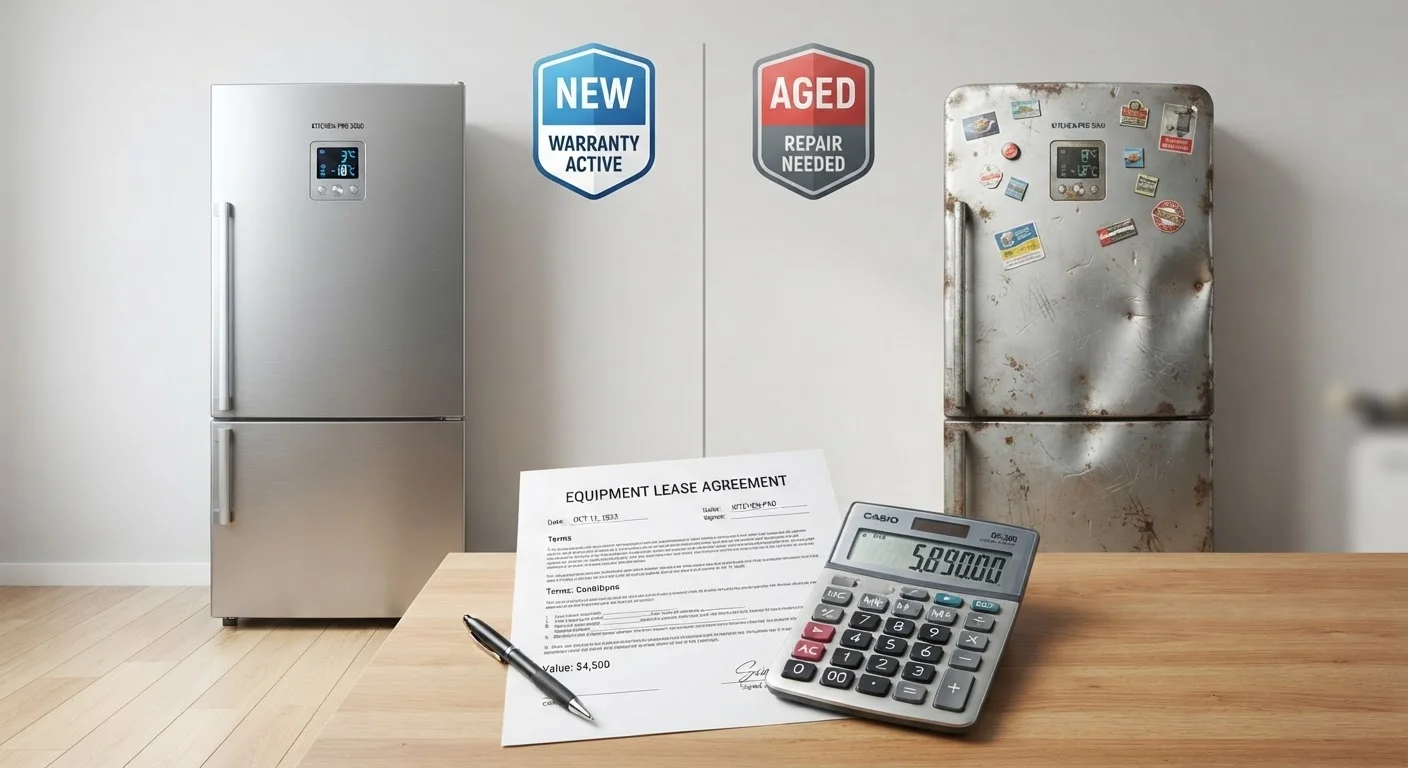
Actual Cash Value is defined as the cost to replace an item, minus depreciation. Depreciation accounts for the item's age, wear, and reduced market value over time. So if a five-year-old television is destroyed in a covered event, an ACV policy pays what that used television is worth today - not what a new one costs.
Replacement Cost Value, by contrast, pays the amount needed to replace the lost or damaged item with a new one of comparable kind and quality at current prices. Depreciation is not subtracted. Using the same television example, an RCV policy would pay enough to purchase a comparable new set.
Understanding which method applies to your policy is one of the most important things you can do before a loss occurs. Check your declarations page - the summary document at the front of your policy - and look for language specifying ACV or replacement cost. If you're unsure, ask your insurer or a licensed insurance agent to clarify.
This article provides general insurance education and is not personalised advice. Coverage terms, exclusions, and payouts vary by provider and policy. Always read your actual policy documents and consult a licensed professional for guidance specific to your situation.
How Depreciation Changes Your Payout
Depreciation is the core factor separating ACV from RCV payouts. Insurers calculate depreciation based on an item's expected useful life and its current condition. The older and more worn an item is, the greater the depreciation deduction under an ACV policy.
| Criterion | Actual Cash Value (ACV) | Replacement Cost Value (RCV) |
|---|---|---|
| Depreciation deducted? | Yes - reduces payout | No - not subtracted |
| Payout basis | Current market value of item | Cost to replace with new equivalent |
| Typical premium cost | Lower | Higher |
| Out-of-pocket risk at claim | Higher - especially for older items | Lower - payout covers replacement |
| Best suited for | Budget-conscious, older belongings | Newer or high-value property |
| Common in which policies? | Basic auto, renters, homeowners | Upgraded homeowners, renters riders |
Consider a practical example: You purchased a washer and dryer for $1,400 eight years ago. The units are destroyed in a fire. A replacement set today costs $1,600. Under ACV, the insurer calculates that appliances of this type have a 10-year useful life and deducts 80% depreciation - leaving a payout of roughly $320 before your deductible. Under RCV, you'd receive closer to $1,600 (again, before your deductible).
That gap - over $1,200 on a single item - illustrates why the valuation method matters so much, especially for older homes with many insured items. For a broader look at how your deductible interacts with either payout method, see our guide on deductibles vs. premiums.
~20-30%
Typical ACV vs. RCV premium difference
Industry estimates generally suggest RCV coverage on homeowners policies costs roughly 20-30% more in premium than equivalent ACV coverage, though this varies by insurer and location.
80%+
Depreciation on a 10-year-old appliance
Under many ACV schedules, household appliances with a 10-year useful life can be depreciated by 80% or more, drastically reducing claim payouts for older items.
Cost, Coverage, and the Trade-Off You're Making
Neither valuation method is inherently better - each reflects a different balance between premium cost and claim payout. RCV coverage costs more because the insurer takes on greater financial exposure. ACV coverage is less expensive but shifts more of the replacement burden onto you after a loss.
Check Your Policy Before You Need It
Many policyholders only discover their valuation method when they file a claim - often after a stressful loss event. Reviewing your declarations page now, while you can ask questions calmly, is far better than learning the details mid-claim. If your policy uses ACV and you'd prefer RCV, upgrading is often possible by endorsement (an add-on to your existing policy) without switching insurers entirely.
The right choice depends on your financial situation, the age and value of what you're insuring, and your ability to cover potential gaps. If you're weighing cost against risk exposure more broadly, this overview of premium versus risk trade-offs offers a useful framework.
For a deeper dive into how to evaluate what your overall policy is worth, our comprehensive coverage value guide walks through how to judge whether what you're paying lines up with what you're protected against.
Finally, note that some policies - particularly for dwellings - may pay ACV initially and release the remaining depreciation amount (called a recoverable depreciation holdback) only after you complete the repairs or replacement. This hybrid approach is common in homeowners insurance. Ask your insurer how and when the full RCV amount is released if your policy works this way.