

Key Takeaways
Insurance Risk Rating
Insurance risk rating is the process insurers use to estimate how likely a specific person is to file a claim - and how costly that claim might be. Based on that estimate, they assign a premium, which is the amount you pay for coverage. Two people can hold identical policies and pay very different amounts because their individual risk profiles differ.
Insurers use actuarial models - statistical tools built from large datasets - to group policyholders into risk pools and price each pool accordingly. Your premium reflects both your individual factors and the broader group you're placed in.
The Same Policy, a Different Price Tag
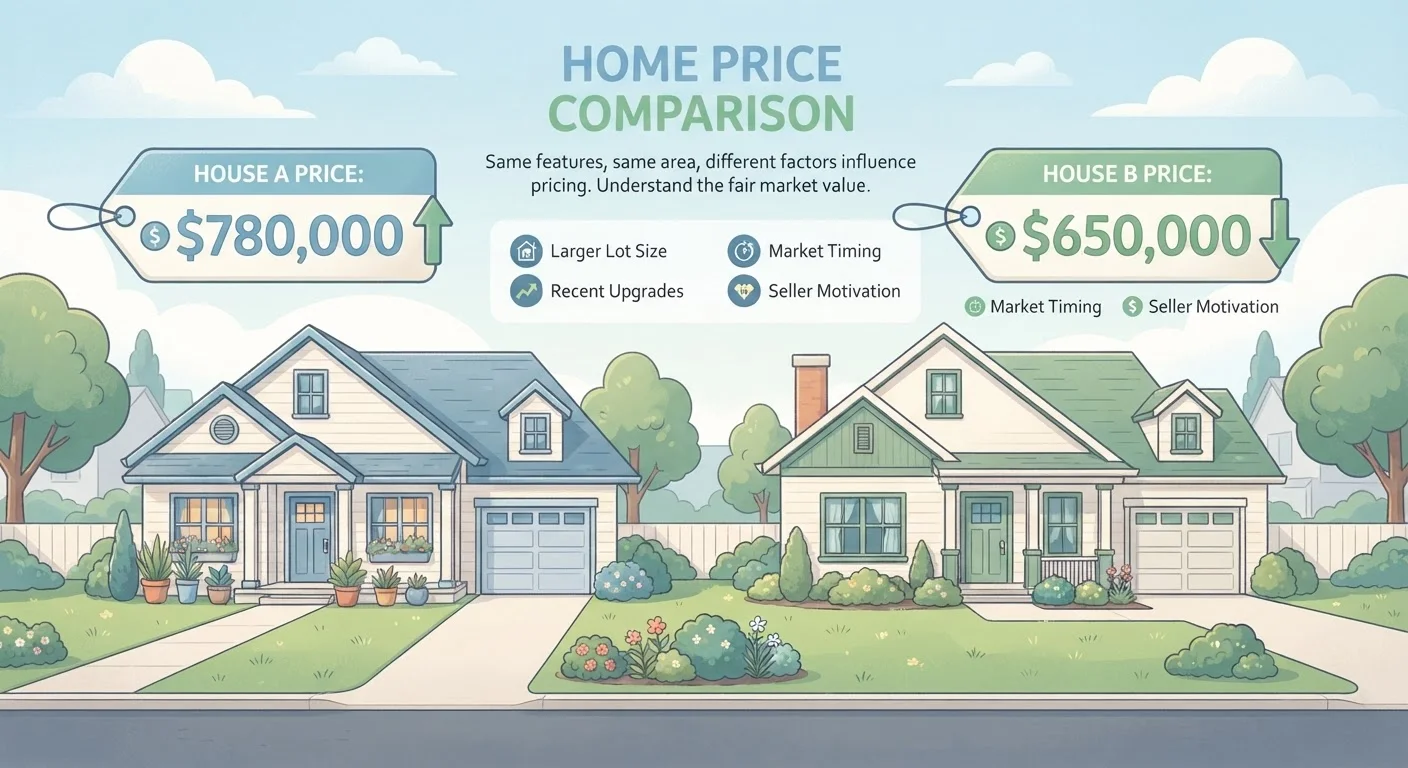
If you and your neighbor both carry a standard homeowners policy with identical coverage limits and deductibles, you might reasonably expect to pay the same amount. You almost certainly won't. Insurance premiums are not set like retail prices - they're personalized estimates of risk, calculated individually for every policyholder.
Insurers are in the business of predicting future losses. Before they agree to cover you, they analyze a set of variables - called rating factors - to estimate how likely you are to file a claim and what it might cost. Your premium is essentially that prediction expressed in dollars.
Understanding which factors drive your rate helps demystify the pricing process and puts you in a better position to manage what you can. For a broader look at how this risk-pricing process works, see how insurers determine risk.
The Key Factors That Shape Your Premium
Insurers rely on several core rating factors, though the specific mix varies by policy type and state. Here are the most common ones:
- Location (ZIP code): Your address tells insurers a great deal - local weather patterns, crime statistics, traffic density, and historical claim frequency all factor in. Two houses with the same structure can carry very different premiums if one sits in a flood-prone county and the other doesn't.
- Age and driving record (auto insurance): Younger drivers statistically file more claims, which typically means higher premiums. A clean driving record - no at-fault accidents or moving violations - generally earns lower rates over time.
- Credit-based insurance score: In states where it's permitted, insurers use a credit-derived score as a proxy for risk. This is not your standard FICO score but a related model that research in the insurance industry links to claim likelihood.
- Claims history: Past claims signal future risk. A policyholder who has filed several claims in recent years is rated differently than one with a clean record, even if the circumstances were out of their control.
- Coverage choices: Higher coverage limits, lower deductibles, and added endorsements all increase premium cost. This is one area where you have direct control. See our guide to the deductible vs. premium tradeoff for more on how these decisions interact.
50+
Rating variables some insurers use
Industry analysts note that modern auto and home insurance models can incorporate dozens of individual variables when calculating a single premium.
3-5 years
How long claims typically affect your rate
Most insurers review claims history over a three-to-five year window, after which older incidents typically stop influencing your premium.
Up to 47%
Premium variation by location within a state
Consumer advocacy research has documented substantial premium differences for identical coverage between ZIP codes within the same state, driven by local risk factors.
What You Can - and Cannot - Control
Some rating factors are fixed. You can't change your age, and relocating for a better insurance rate is rarely practical. But several factors respond to deliberate choices:
Review Your Policy Before Filing Small Claims
If a minor loss - like a small fence repair or a cracked windshield - is only slightly above your deductible, consider paying out of pocket. Filing a claim may trigger a rate increase at renewal that costs more over time than the claim itself. Talk to your agent about the potential premium impact before you file.
- Your claims history improves over time if you avoid filing small claims you can cover out of pocket.
- Your credit profile can improve through consistent financial habits - paid-on-time bills, reduced balances, and avoiding unnecessary new accounts.
- Your coverage structure is entirely in your hands. Raising your deductible, removing redundant endorsements, or bundling home and auto policies can meaningfully reduce what you pay.
It's also worth remembering that a lower premium isn't automatically a better deal. Stripping down coverage to save on monthly cost can leave significant gaps. Our article on the real cost of a cheap insurance policy explains how hidden exposure can outweigh apparent savings.
Why Quotes Differ Between Insurers
Even for the same person with the same history, quotes from different insurers can vary by hundreds of dollars. That's because each company builds its own rating model - weighting factors differently, using proprietary data, and targeting different customer segments. State insurance regulators must approve these models, but approved models still differ substantially.
This is why comparing quotes is genuinely useful - not to chase the lowest number, but to understand whether you're being priced fairly for the risk profile you present. For a framework on evaluating whether a policy is worth what you're paying, see evaluating insurance value.
“Insurance pricing is not arbitrary - it is the output of a statistical process designed to match price to predicted cost. Understanding that process is the first step toward navigating it effectively.”
— Insurance Basics Editorial Team, Insurance consumer education researchers
This article provides general insurance education and is not personalized insurance, financial, or legal advice. Coverage terms, rating practices, and regulations vary by insurer and state. Always read your policy documents carefully and consult a licensed insurance agent or adviser for guidance specific to your situation.