

Key Takeaways
Why Coverage Gaps Stay Hidden Until It's Too Late
Insurance is purchased during calm, ordinary moments - and tested during the worst ones. That timing mismatch is exactly why so many gaps go unnoticed for years. A policy that looks complete on its summary page can contain exclusions, sub-limits, and conditions that eliminate coverage for the very situations you'd most expect it to apply.
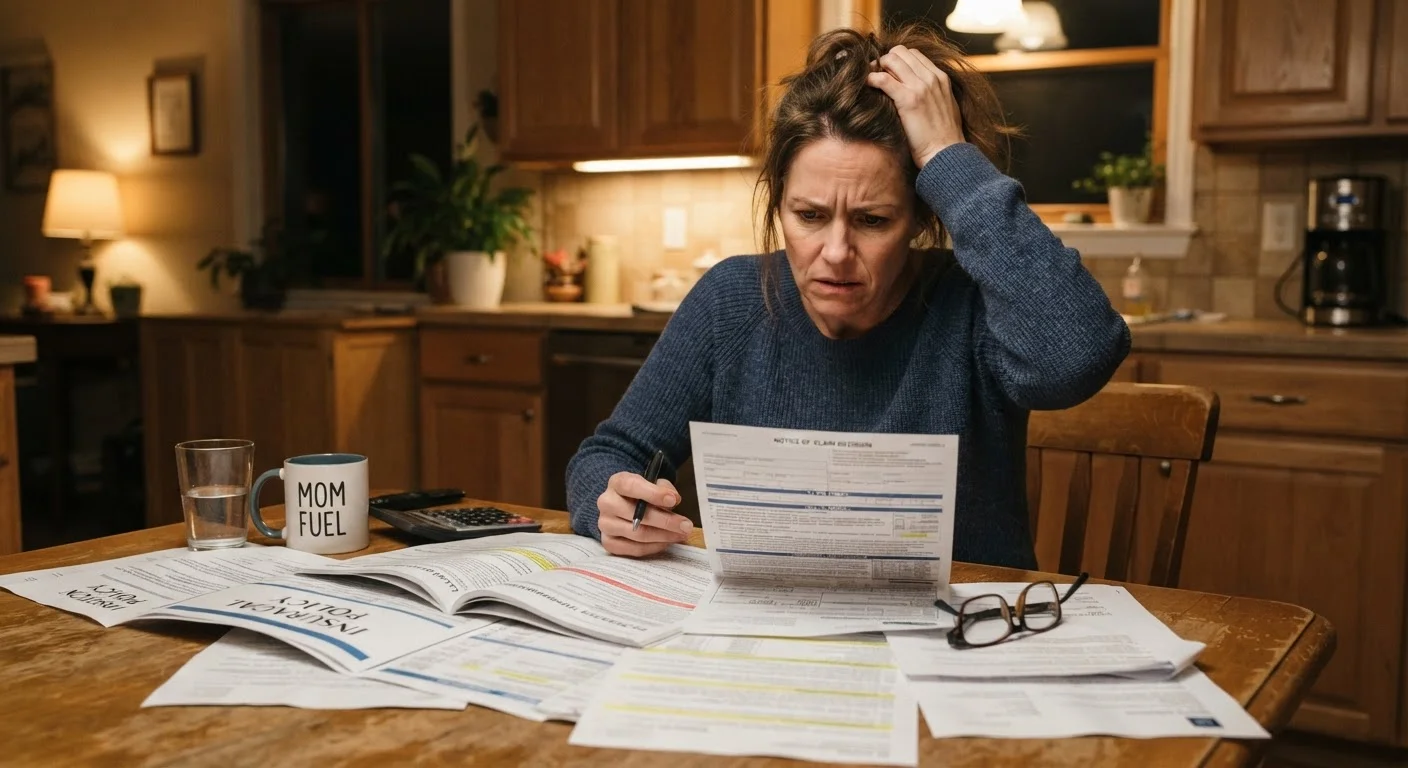
The core problem is that most policyholders rely on what they remember from the sales conversation or the one-page declarations summary. The actual contract - with its exclusions and definitions - can run dozens of pages and is rarely read in full. Widely held insurance myths persist precisely because the gap between expectation and policy language is never tested until a claim is filed.
Understanding the most common gaps, and why they form, is the first step toward closing them before they become expensive lessons.
The Most Costly Coverage Gaps - and How to Close Them
The mistakes below span home, auto, health, and income protection - the core insurance categories most Americans carry. Each gap follows a recognizable pattern: a reasonable assumption, an overlooked detail, and a painful discovery at claim time.
Assuming a standard renters or homeowners policy covers flood damage.
Why it happens: Water damage from a burst pipe is typically covered, so many people assume all water-related losses are the same. The distinction between internal water damage and flooding from an external source is not intuitive.
Carrying liability limits that are too low to cover a serious claim.
Why it happens: Many people select the minimum required limits to keep premiums down, not realizing that a single car accident or injury on their property can generate medical bills and legal costs that far exceed those minimums.
Relying solely on employer-provided disability insurance for income protection.
Why it happens: Group disability plans through an employer feel like a safety net, and most workers never examine the actual benefit percentage, waiting period, or duration of coverage.
Underestimating the replacement cost of personal belongings under renters insurance.
Why it happens: People tend to mentally add up only big-ticket items and forget the cumulative value of clothing, kitchen equipment, electronics, and everyday possessions. Policies with actual cash value (ACV) payouts also deduct depreciation, which can significantly reduce the claim payment.
Ignoring policy exclusions and sub-limits buried in the fine print.
Why it happens: Most people read the declarations page (the summary sheet) and assume it tells the whole story. Exclusions, coverage sub-limits for categories like jewelry or electronics, and conditions that void coverage are usually found pages deep in the full policy document.
Beyond these specific errors, a general habit of annual policy review pays dividends. Life changes - a home renovation, a new vehicle, a raise, a marriage - can shift your coverage needs significantly. The Coverage & Costs hub provides foundational guidance on evaluating whether your current premiums and deductibles reflect your actual risk exposure.
Gaps Surface at the Worst Possible Moment
Insurance gaps almost never reveal themselves during routine life - they appear when you've just experienced a loss, a lawsuit, or a health crisis. At that point, your options to correct the gap are gone. Reading your policy before something goes wrong is the only reliable way to protect yourself. If policy language is unclear, a licensed insurance agent can clarify what your coverage actually includes and excludes.
It's also worth noting that missing deadlines after an incident can compound the damage. Reporting windows and appeal deadlines vary by policy and state - and missing them can void an otherwise valid claim, even when coverage exists.
Don't Assume 'Full Coverage' Means Everything
The phrase 'full coverage' is informal and has no standard legal definition in insurance. Insurers and agents use it loosely, often meaning a combination of liability, collision, and comprehensive - but none of those automatically cover rental reimbursement, gap coverage, or roadside assistance. Always ask specifically what is and is not included rather than relying on shorthand descriptions.
If premium costs have led you toward minimal coverage, understand the trade-off clearly. Low-premium policies often carry high out-of-pocket exposure that can far exceed what you saved. This is general educational information; for guidance tailored to your situation, consult a licensed insurance professional who can review your specific policies and needs.
This article is for informational purposes only and does not constitute personalized insurance, financial, or legal advice. Coverage terms, exclusions, and regulations vary by provider and state. Always read your full policy documents and consult a licensed insurance agent or adviser for guidance specific to your circumstances.