

Key Takeaways
Pet Coat Health
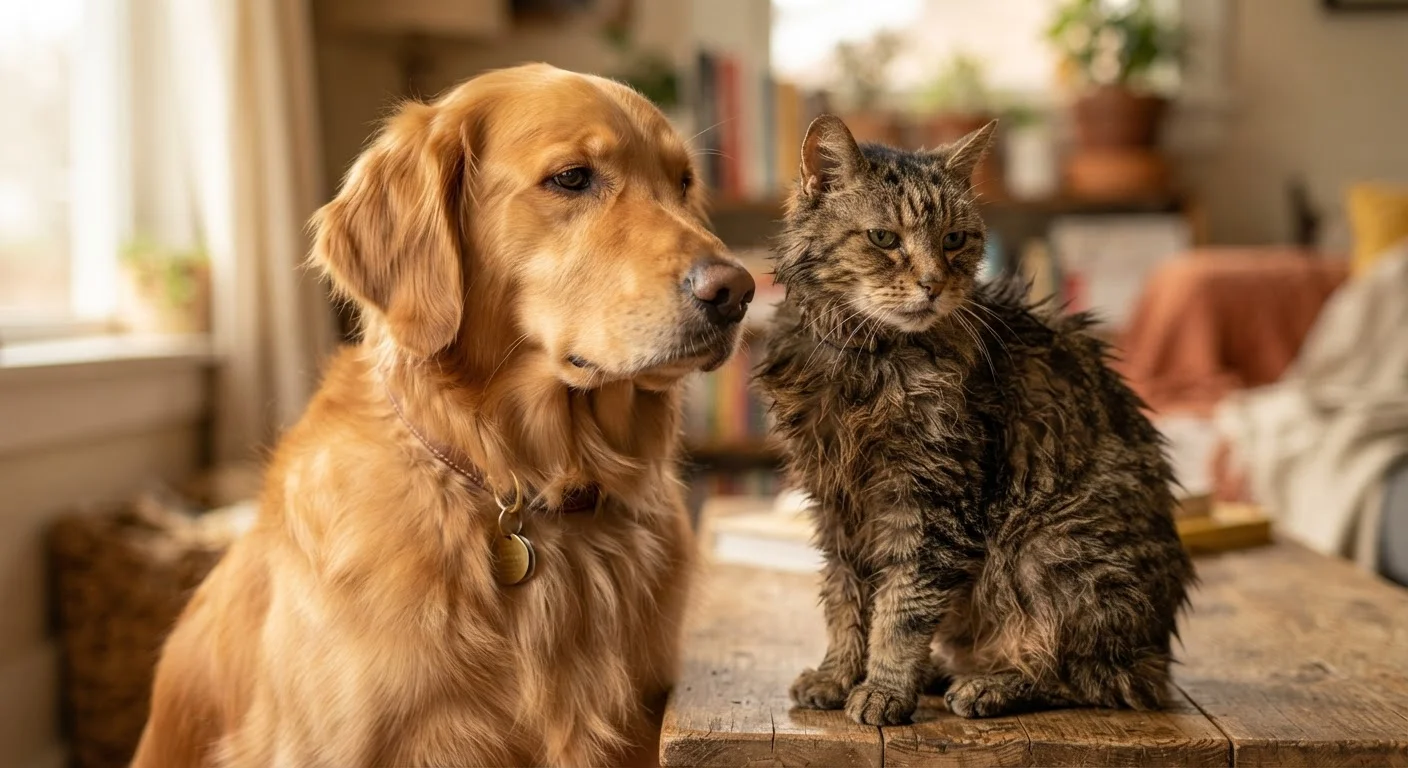
A pet's coat condition - including its texture, shine, density, and shedding patterns - serves as a visible indicator of their internal health. Changes in fur quality often reflect nutritional deficiencies, hormonal imbalances, skin conditions, stress, or parasite infestations. Monitoring your pet's coat regularly is one of the simplest ways to catch emerging health concerns early.
Coat health is governed by the hair growth cycle (anagen, catagen, telogen phases), which can be disrupted by systemic illness, endocrine disorders such as hypothyroidism or Cushing's disease, or chronic nutritional insufficiencies.
What Your Pet's Coat Is Actually Communicating
A healthy pet coat is more than cosmetic. Fur that's dense, soft, and lightly lustrous signals that a dog or cat is well-nourished, adequately hydrated, and free from significant systemic stress. When that baseline shifts - when fur becomes coarse, begins falling out in clumps, or loses its sheen - the coat is functioning as a symptom, not just an aesthetic concern.
Pet owners often notice coat changes before other signs of illness appear. That makes the coat one of the most accessible early-warning systems available. Understanding what different changes indicate helps owners respond appropriately - whether that means adjusting diet, improving grooming habits, or seeking veterinary attention. For a broader look at physical and behavioral signals that often go unnoticed, see signs your pet is in pain that are easy to miss.
~90%
Of skin and coat issues linked to diet or parasites
Veterinary dermatologists estimate that the vast majority of non-genetic coat problems in dogs and cats have a nutritional or parasitic component that can be addressed with targeted intervention.
2-4×
Shedding increase during seasonal transitions
Dogs and cats with double coats typically shed two to four times their normal daily hair volume during spring and fall coat blows, which is considered a normal biological process.
6-8 weeks
Typical time to see coat improvement after dietary change
Because the hair growth cycle takes weeks to complete, visible coat improvement following a nutritional adjustment generally takes one to two full growth cycles to become apparent.
Shedding: Normal Cycles vs. Warning Signs
All dogs and cats shed - it's a natural part of the hair growth cycle. Most breeds experience heavier shedding during seasonal transitions, particularly spring and fall, as they exchange undercoats. This type of shedding is normal and manageable with regular brushing.
Abnormal shedding looks different. Warning signs include:
- Patchy or asymmetrical hair loss - often associated with ringworm, allergies, or hormonal disorders like hypothyroidism or Cushing's disease
- Year-round excessive shedding - may indicate a diet lacking sufficient protein or essential fatty acids
- Shedding paired with scratching or skin redness - suggests allergies, fleas, or a contact irritant
- Sudden coat thinning after a stressful event - known as telogen effluvium, a temporary disruption to the hair growth cycle caused by illness, surgery, or chronic anxiety
Knowing your specific breed's typical shedding pattern is essential context. A Siberian Husky shedding heavily in spring is expected; a Poodle losing noticeable clumps is not. Consult your veterinarian when shedding falls outside your pet's established baseline, especially when accompanied by other changes such as unexpected weight shifts.
Establish Your Pet's Shedding Baseline Early
Track your pet's typical shedding volume during each season in their first year with you. Photographing their coat monthly can help you spot gradual changes that are easy to miss day-to-day. A documented baseline makes it much easier to explain coat changes accurately to your veterinarian.
Matting: More Than a Grooming Inconvenience
Matted fur forms when loose hair, dirt, and oils become tangled and compress against the skin. Long-haired breeds - Persian cats, Afghan Hounds, Shih Tzus - are most susceptible, but any pet can develop mats if grooming is inconsistent or if the animal is losing more hair than usual.
The consequences of matting extend well beyond appearance. Tight mats pull on the skin continuously, causing low-grade pain that many pets mask instinctively. They trap moisture against the skin, creating an environment where bacteria and yeast can thrive. In severe cases, mats conceal wounds, insect infestations, or abscesses that go untreated far longer than they should.
Prevention is straightforward: regular brushing suited to your pet's coat type, professional grooming on a consistent schedule, and prompt attention to any tangles before they consolidate. The overlooked grooming habits that can quietly harm your pet article covers common missteps - including using the wrong brush type - that inadvertently worsen matting over time.
Never Cut Out Mats With Scissors at Home
Attempting to cut mats with household scissors is a common cause of accidental skin lacerations in pets. The skin beneath a mat is often tented upward and difficult to distinguish from the fur. If mats are too dense to brush out, a professional groomer or veterinarian should handle removal safely.
Coat Dullness and What Drives It
A coat that has lost its natural gloss is often the first visible sign of nutritional insufficiency. Omega-3 and omega-6 fatty acids are essential for sebum production - the skin's natural oil that gives fur its healthy sheen. When these fatty acids are inadequate in the diet, the coat becomes dry, brittle, and dull.
Other drivers of coat dullness include:
- Dehydration - inadequate water intake affects skin moisture and coat texture
- Low-quality or nutritionally incomplete diets - particularly diets deficient in protein, zinc, or B vitamins
- Internal parasites - redirect nutrients away from skin and coat maintenance
- Systemic illness - kidney disease, liver conditions, and thyroid disorders all manifest in coat quality
- Chronic stress or anxiety - see compulsive behaviors in pets as a related indicator
Improving diet quality is often the most impactful single change an owner can make. However, if coat dullness persists despite dietary improvements, a veterinary workup is appropriate to rule out underlying health conditions. Coat changes alongside appetite changes deserve prompt professional attention.
This article is for informational purposes only and does not constitute veterinary advice. Always consult a licensed veterinarian for guidance specific to your pet's health needs.