

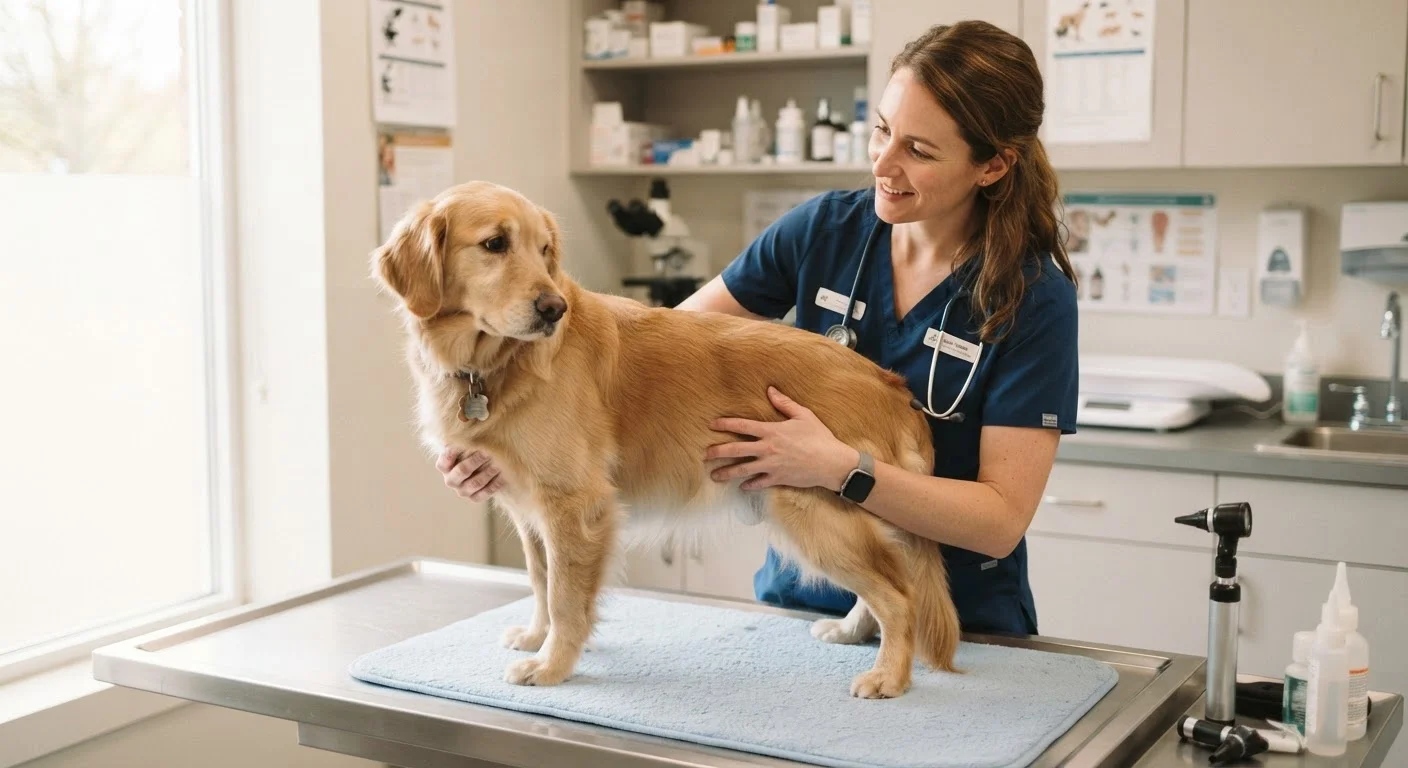
Why Weight Changes in Pets Are Easy to Miss
Unlike stepping on a scale each morning, pets can't self-report gradual weight shifts - and their fur often masks the changes happening underneath. A dog or cat gaining or losing even 10-15% of their ideal body weight can look nearly the same to an untrained eye. Because weight drift tends to happen slowly, owners frequently don't notice until a veterinarian flags it at an annual exam.
Body weight matters well beyond appearance. Excess weight raises a pet's risk of diabetes, joint disease, and respiratory issues, while unexplained weight loss can signal metabolic disorders, dental pain, parasites, or more serious illness. Catching changes early gives you and your veterinarian more options. Learning what to look and feel for at home makes a meaningful difference.
Physical Signs of Excess Weight
The most reliable at-home test is the rib check: run your fingers firmly along your pet's side. You should feel individual ribs with light pressure - no heavy pressing required. If you can't distinguish the ribs without significant effort, your pet is likely carrying excess weight.
- Waist disappears: Viewed from above, a healthy dog or cat has a visible narrowing behind the ribs. A rounder, barrel-like silhouette suggests weight gain.
- No abdominal tuck: Viewed from the side, the belly should angle upward between the ribcage and hind legs. A sagging or level underline is a common sign of overweight.
- Fat deposits: Pockets of fat at the base of the tail or over the shoulders that feel soft and distinct are a recognizable overweight indicator in cats especially.
- Reduced mobility or labored breathing: Reluctance to climb stairs, shortened play sessions, or audible breathing during mild activity can all reflect excess body weight straining the body.
For more on how weight-related changes may overlap with other health signals, see signs your pet is in pain that are easy to miss.
Physical Signs Your Pet May Be Underweight
Underweight conditions carry their own set of risks, including muscle loss, immune suppression, and poor wound healing. The following cues warrant a veterinary conversation:
- Ribs, spine, or hip bones visibly protruding without any pressing - this indicates very low body fat reserves.
- Muscle wasting: Thinning around the hindquarters or shoulders suggests the body is using muscle tissue for energy, which goes beyond simple thinness.
- Coat changes: Dull, dry, or brittle fur can accompany nutritional deficiency. What your pet's coat condition may signal about nutrition is worth understanding alongside weight concerns.
- Decreased energy or appetite: Lethargy combined with reduced food interest - rather than just picky eating - often points to an underlying health issue driving weight loss.
Body Condition Score (BCS)
A standardized 1-9 scale used by veterinarians to assess a pet's weight relative to its body frame. A score of 4-5 is generally considered ideal, with higher scores indicating overweight and lower scores indicating underweight.
Muscle wasting
The loss of muscle mass, often visible as thinning along the hindquarters or shoulders. It can occur in underweight pets or those with certain metabolic or systemic diseases.
Abdominal tuck
The upward slope of the belly when viewed from the side, visible between the ribcage and hind legs. Its absence is a common sign of excess body weight in dogs and cats.
Fat deposits
Soft, distinct accumulations of fat tissue, commonly found at the base of the tail or over the shoulders in overweight cats, and along the abdomen or chest in dogs.
Behavioral and Routine Changes to Watch
Weight problems don't always show up physically first. Behavioral shifts can be earlier indicators that something has changed:
- A previously active pet that now avoids play or tires quickly may be experiencing the joint load of excess weight - or the energy depletion of being underweight.
- Increased food-seeking behavior, begging, or scavenging in an otherwise well-fed pet can indicate unmet caloric needs or a metabolic issue.
- Conversely, sudden disinterest in meals your pet normally loves is a prompt for a veterinary check, not just a diet adjustment.
Weight changes are also common as pets age. Senior pets have shifting health and nutritional needs that can make weight management more complex - metabolism slows, activity levels drop, and some conditions affect appetite directly.
This article provides general information about pet health and is not a substitute for professional veterinary advice. If you're concerned about your pet's weight or overall health, consult a licensed veterinarian for an individualized assessment.