

Key Takeaways
Cost-Per-Wear
Cost-per-wear is a simple formula that tells you the true value of a clothing item by dividing its purchase price by the number of times you wear it. A $200 coat worn 100 times costs $2 per wear - the same as a $20 top you only put on 10 times. It reframes clothing purchases from a one-time expense into an ongoing investment in your wardrobe.
Cost-per-wear doesn't account for care costs like dry cleaning or alterations, so factor those in when evaluating higher-maintenance garments.
Why the Sticker Price Is the Wrong Number to Focus On
Most of us were taught to look at the tag and walk away if a price feels too high. That instinct makes sense in the moment, but it can lead to a wardrobe full of items that cost you more over time - not less. The price you pay once is only half the equation. The other half is how often and how long you actually use what you buy.
This is exactly what cost-per-wear captures. It's a straightforward mental math tool that shifts the question from "Is this expensive?" to "Is this a good investment?" And that's a genuinely different question.
Think about it this way: a $30 blouse that pills after three washes and gets donated has a cost-per-wear of $10. A $90 blouse in a durable fabric that you reach for twice a week for two years ends up costing you less than $1 per wear. The more expensive item is, counterintuitively, the more affordable one. For more on how this connects to the broader practice of spending intentionally, see our look at why buying less and choosing well is harder than it sounds.
~$1,700
Average annual American clothing spend
According to the U.S. Bureau of Labor Statistics Consumer Expenditure Survey, American households spend roughly this amount on apparel and related services each year.
30 wears
Average times a garment is worn before disposal
Research from environmental organizations studying fast fashion has estimated that many garments are worn as few as 30 times before being discarded.
3x longer
Lifespan of well-cared-for quality clothing
Industry textile experts generally suggest that proper care and quality construction can extend a garment's wearable life by two to three times compared to budget alternatives.
What Makes Clothing Worth a Higher Upfront Cost
Not every expensive item earns its price tag, so knowing what to look for matters. A few reliable indicators of longevity:
- Fabric composition: Natural fibers like wool, cotton, and linen tend to breathe, age well, and hold their shape longer than many synthetic blends - though high-quality synthetics have improved significantly. Understanding what your clothes are made of helps you shop more confidently.
- Construction details: Reinforced seams, even stitching, and well-finished edges are signs a garment was built to last. Pull gently at seams in the store - they shouldn't strain easily.
- Fit: A well-fitting garment gets worn more. One that's slightly off tends to hang in the closet. Good fit matters more than brand or price - it's the factor that determines whether something becomes a go-to or a regret.
- Versatility: The higher the number of outfits a piece works in, the more wear you'll get, and the better its cost-per-wear math becomes. Getting more outfits out of fewer clothes is a skill that multiplies the value of every piece you own.
Test Before You Invest
Before committing to a higher-priced item, check the seams, read the care label, and assess whether it fits into at least three existing outfits in your wardrobe. If you can't picture yourself wearing it frequently and styling it multiple ways, the cost-per-wear math won't work in your favor no matter how well it's made.
Where the Formula Works - and Where It Doesn't
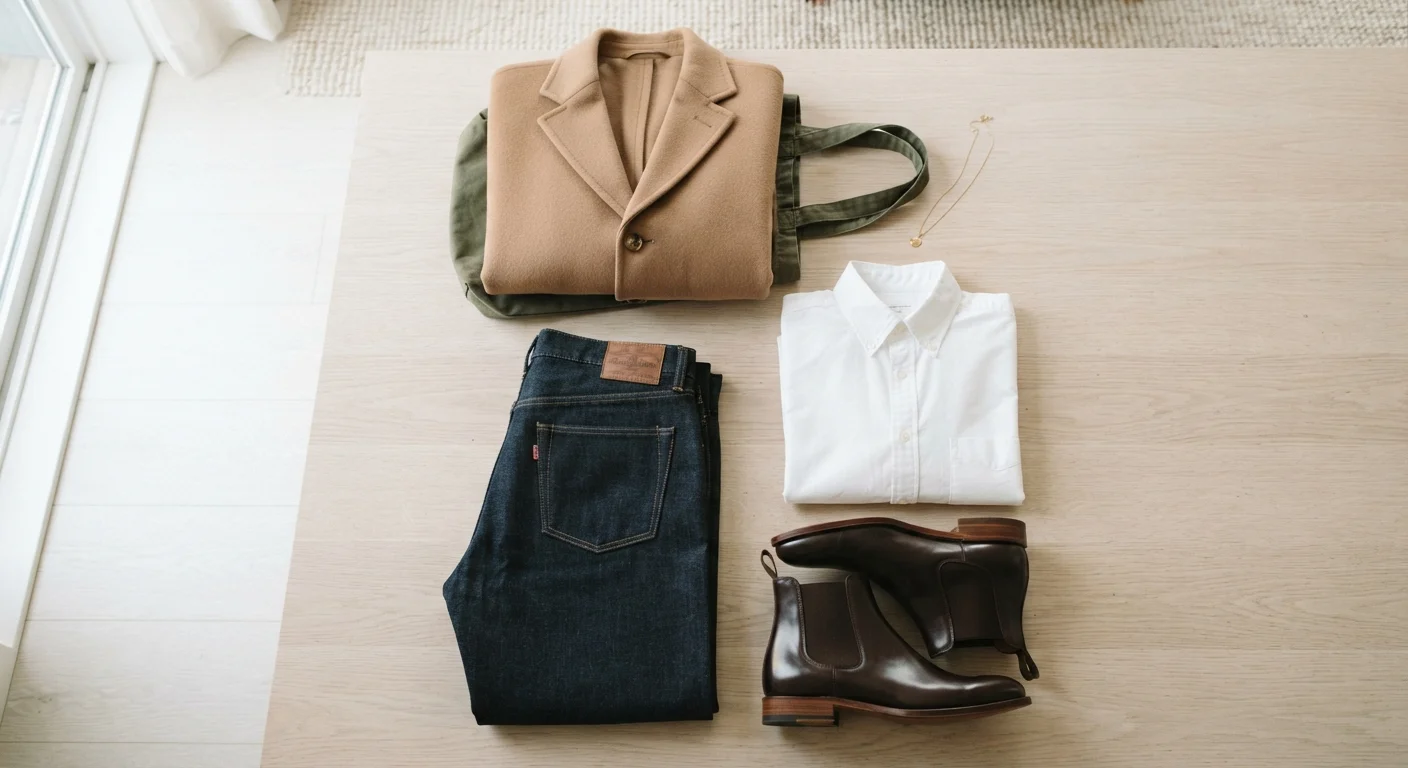
Cost-per-wear is most powerful when applied to wardrobe workhorses: everyday denim, a reliable coat, a classic button-down, quality footwear. These are the pieces you wear dozens of times per year, making even a significant upfront investment easy to justify over time.
It's a weaker argument for trend-driven items, occasion wear, or anything you're buying on impulse. A $200 dress worn once to a wedding doesn't become a smart buy just because it's well-made. The formula requires realistic honesty about your actual habits - not your aspirational ones.
If your budget is tight right now, that's a real constraint the formula doesn't erase. Building a functional wardrobe on a tight budget offers practical strategies that work within genuine financial limits. Cost-per-wear is a lens, not a license to overspend. As a general financial principle, prioritizing long-term value over short-term cost is a habit that extends well beyond clothing - the same mindset shows up in areas like saving and managing debt.
Care Habits That Protect Your Investment
Even the best-made clothing degrades quickly without proper care. Following care label instructions isn't just about avoiding accidents - it's about protecting the cost-per-wear math you did before you bought something. Cold water washing, air drying knits and delicates, and storing items properly all extend a garment's useful life significantly.
If you've ever wondered what those small symbols on labels actually mean, understanding clothing care labels breaks them all down clearly. It's one of the most overlooked ways people inadvertently shorten the life of clothes they paid good money for.
Cost-Per-Wear Is a Tool, Not a Rule
The formula is most useful as a gut-check, not a rigid decision framework. It doesn't account for personal joy, ethical sourcing preferences, or the very real reality of a limited budget. Use it to question impulse buys and to feel more confident about considered investments - not as justification for spending beyond your means.
The bottom line: cost-per-wear is a simple shift in perspective that can make you a more deliberate, satisfied shopper. Buy fewer things, choose them carefully, and take care of what you have - that's the whole framework.