

Key Takeaways
Why 100,000 Miles Is No Longer a Death Sentence
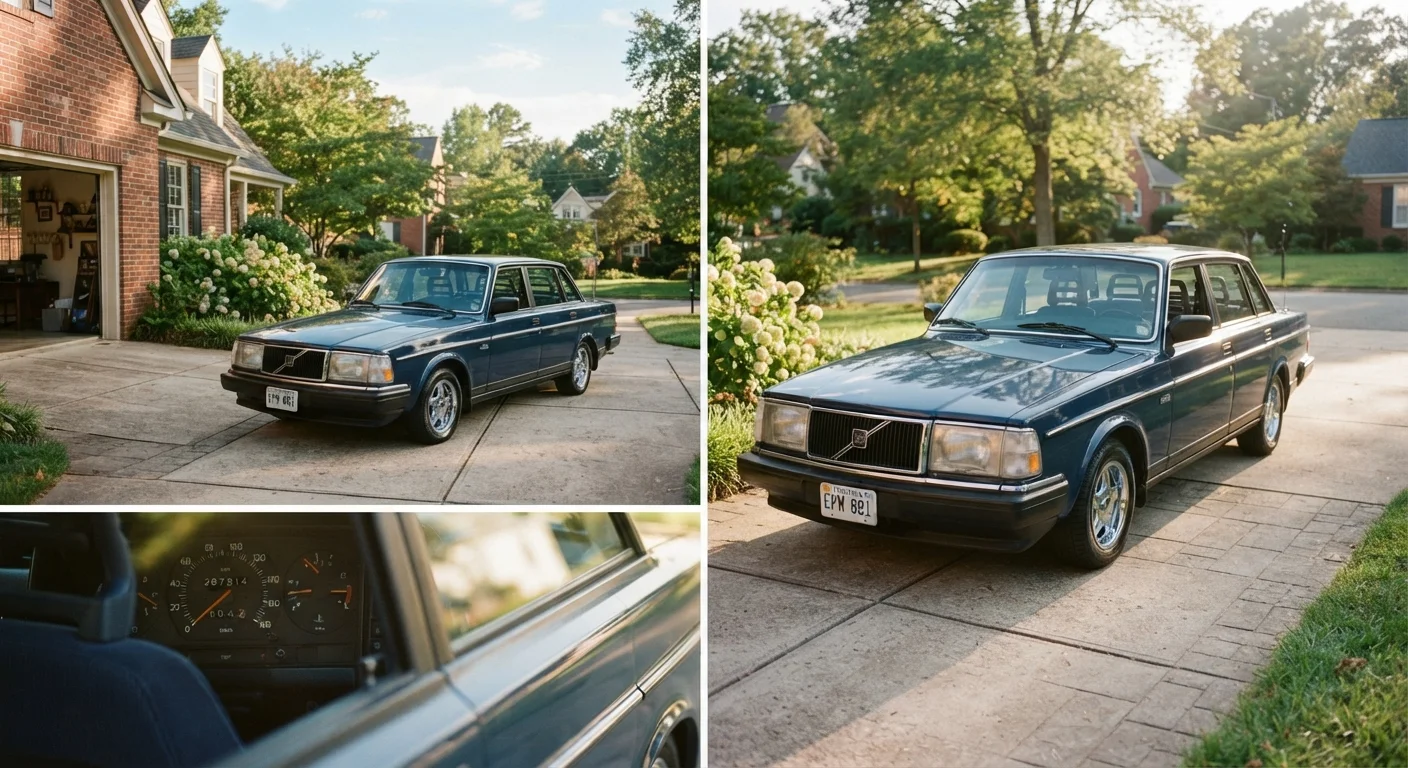
Not long ago, a car crossing the 100,000-mile mark prompted serious conversations about replacement. Today, modern engine tolerances, improved lubricants, and better materials mean that 150,000, 200,000, or even 300,000 miles are realistic goals - provided the vehicle receives consistent, informed care. The habits outlined below are what separate cars that keep running from cars that don't.
For a fuller picture of how ownership costs shift when you hold a vehicle long-term, see our comparison of long-term ownership vs. trading in.
Core Practices That Extend High-Mileage Life
These aren't exotic secrets - they're disciplined applications of fundamentals that compound over time. Consistency is the operative word.
Follow oil change intervals precisely - and consider high-mileage oil formulations after 75,000 miles.
Engine oil degrades over time and mileage, losing its ability to lubricate and protect metal surfaces. High-mileage oil formulations typically contain seal conditioners that help reduce minor leaks common in older engines. Missing or stretching oil changes is the leading cause of premature engine wear.
Inspect and replace coolant, transmission fluid, and brake fluid on schedule - not just when problems appear.
Coolant degrades and becomes acidic, corroding the radiator and water pump from within. Transmission fluid breaks down under heat and friction; neglecting it is one of the most expensive oversights a high-mileage owner can make. These fluids are cheap to replace and costly to ignore.
Check tire pressure monthly and rotate tires every 5,000-7,500 miles.
Underinflated tires wear unevenly, reduce fuel economy, and put unnecessary stress on suspension components. Regular rotation ensures even tread wear across all four tires, extending their life and maintaining predictable handling - both safety and cost concerns.
Replace belts, hoses, and other rubber components proactively before they fail.
Rubber components - timing belts, serpentine belts, coolant hoses - deteriorate with age and heat, often with little external warning. A timing belt failure, in particular, can cause catastrophic internal engine damage. Replacing these parts on a mileage or age schedule is far less expensive than the failures they prevent.
Keep the exterior and undercarriage clean, especially in regions that use road salt.
Rust is a structural threat, not just a cosmetic one. Road salt accelerates corrosion on brake lines, fuel lines, and the vehicle frame. Regular washing - particularly underneath - and touch-up of paint chips help keep rust from spreading into structural or safety-critical areas.
Beyond the shop, your driving style has a measurable effect. Smooth, gradual acceleration and early braking reduce strain on the drivetrain, brakes, and suspension - components that become increasingly expensive to replace as mileage climbs.
Act Fast on Small Warnings
High-mileage cars communicate clearly: a new noise, a subtle vibration, or a dashboard warning light is rarely trivial. Deferring these signals is the most common reason otherwise healthy vehicles meet an early end. A worn serpentine belt costs relatively little to replace; if it snaps while driving, the resulting damage to the cooling system or power steering can total the car.
When to Involve a Qualified Mechanic
While many inspection tasks are straightforward for any driver, repairs involving brakes, suspension, fuel systems, or the engine internals should be handled by a qualified mechanic. Attempting complex repairs without the right tools or training can create safety hazards and worsen the underlying problem. If a warning light persists after a fluid check or basic inspection, have the vehicle diagnosed professionally before assuming it's minor.
Maintaining a simple log - whether in a notebook, a spreadsheet, or a phone app - of every service, fluid top-off, and repair makes it far easier to spot patterns, stay on schedule, and provide documentation that adds credibility when you eventually sell.
For a structured breakdown of what each service interval actually involves, our maintenance schedule guide walks through what your owner's manual milestones mean in plain terms.
Quick Wins You Can Start Today
You don't need a full service appointment to improve your car's prospects this week. Several high-impact actions require nothing more than a few minutes and basic supplies.
Small, consistent habits accumulate into thousands of additional reliable miles. For a broader look at reducing what you spend on vehicle ownership overall, these ownership cost strategies pair well with a high-mileage maintenance mindset. And if you're still following advice you heard years ago, it's worth checking which common maintenance beliefs are now outdated.