

Key Takeaways
The Real Cost of Wasted Groceries
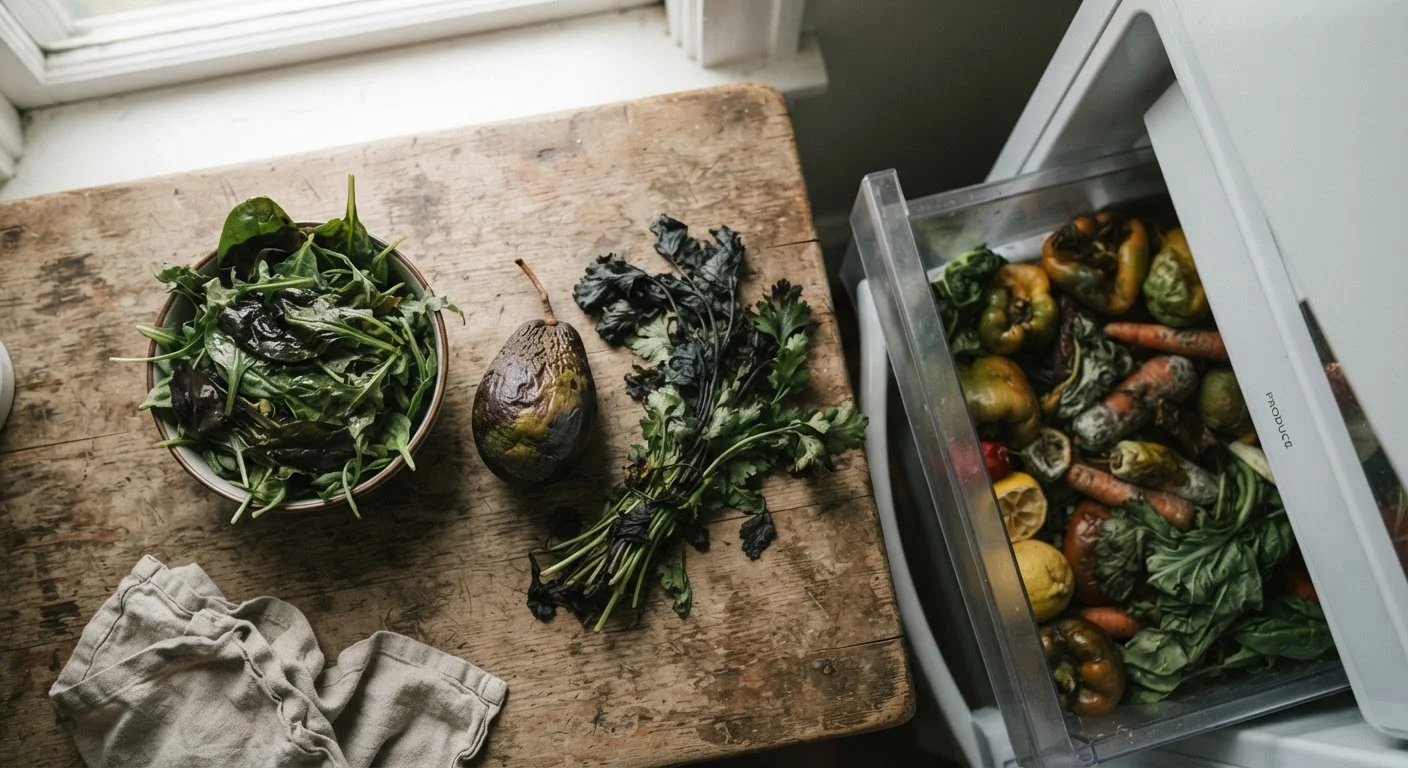
The average American household throws away roughly one-third of the food it buys. That's not just a nutrition problem - it's a budget problem. If fresh produce, proteins, and dairy are regularly ending up in the trash before the week is out, the issue almost certainly isn't willpower or effort. It's a cluster of predictable planning and storage errors that are straightforward to fix once you know what to look for.
This guide walks through the most common mistakes that turn a good-faith grocery haul into a weekly loss - and what to do differently. For a broader look at how food spending fits into your overall financial picture, see our consumer shopping starting point.
~30-40%
Share of U.S. food supply wasted
The U.S. Department of Agriculture estimates that roughly 30 to 40 percent of the American food supply goes to waste, much of it at the consumer level.
$1,500+
Estimated annual food waste cost per household
Research from the Natural Resources Defense Council suggests the average American family of four discards hundreds of dollars to over a thousand dollars in food each year.
Common Mistakes That Send Fresh Food to the Trash
Most food waste traces back to one of a handful of repeating errors. Understanding why each mistake happens makes it far easier to correct.
Shopping without a concrete meal plan for the week ahead.
Why it happens: Most people shop from habit or general intention rather than a specific plan, picking up items that seem healthy or useful without anchoring them to actual meals.
Buying more fresh produce than your realistic schedule can absorb.
Why it happens: It's easy to shop optimistically, buying as if every night will involve home cooking. Work demands, social plans, and fatigue reliably shrink that window.
Storing food in the wrong refrigerator zone or at the wrong temperature.
Why it happens: Most people organize refrigerators by convenience - putting frequently used items at eye level or in the door - rather than by the temperature needs of the food itself.
Ignoring leftovers until they're no longer safe to eat.
Why it happens: Cooked food gets pushed to the back of the refrigerator after the initial meal and is forgotten as new groceries arrive throughout the week.
Not prepping perishables soon after bringing them home.
Why it happens: Putting groceries away feels like the final step, so most people stop there. Washing, chopping, or portioning feels like extra effort best saved for when the food is needed.
Refrigerator Placement Matters More Than You Think
Not all zones of a refrigerator maintain the same temperature. Leafy greens stored in the door (the warmest area) will wilt days sooner than if stored in a dedicated crisper drawer. Dairy and raw proteins belong on the coldest shelves - typically the middle or lower back. Misplacing even one category of food can noticeably shorten its usable life.
Building Habits That Actually Stick
Reducing waste isn't about perfection - it's about closing the gap between what you buy and what your week actually looks like. Two habits deliver the biggest impact for most households.
Plan before you shop, not after. Even a rough five-minute sketch of four or five dinners before you leave the house radically narrows what you buy. The weekly meal planning checklist is a practical tool for building this habit without overcomplicating it.
Prep on arrival, not on demand. Washing and portioning greens, peeling garlic, or slicing peppers immediately after unpacking groceries removes the friction that causes ingredients to be overlooked mid-week. Ready-to-use food gets used. Food that requires effort when you're tired typically doesn't.
If food waste is also straining your grocery budget, evidence-backed strategies for eating well on a tight budget can help you stretch dollars without sacrificing nutrition quality.
This article is for general informational purposes only and does not constitute nutritional or financial advice. For personalized guidance, consult a registered dietitian or a qualified financial professional.