

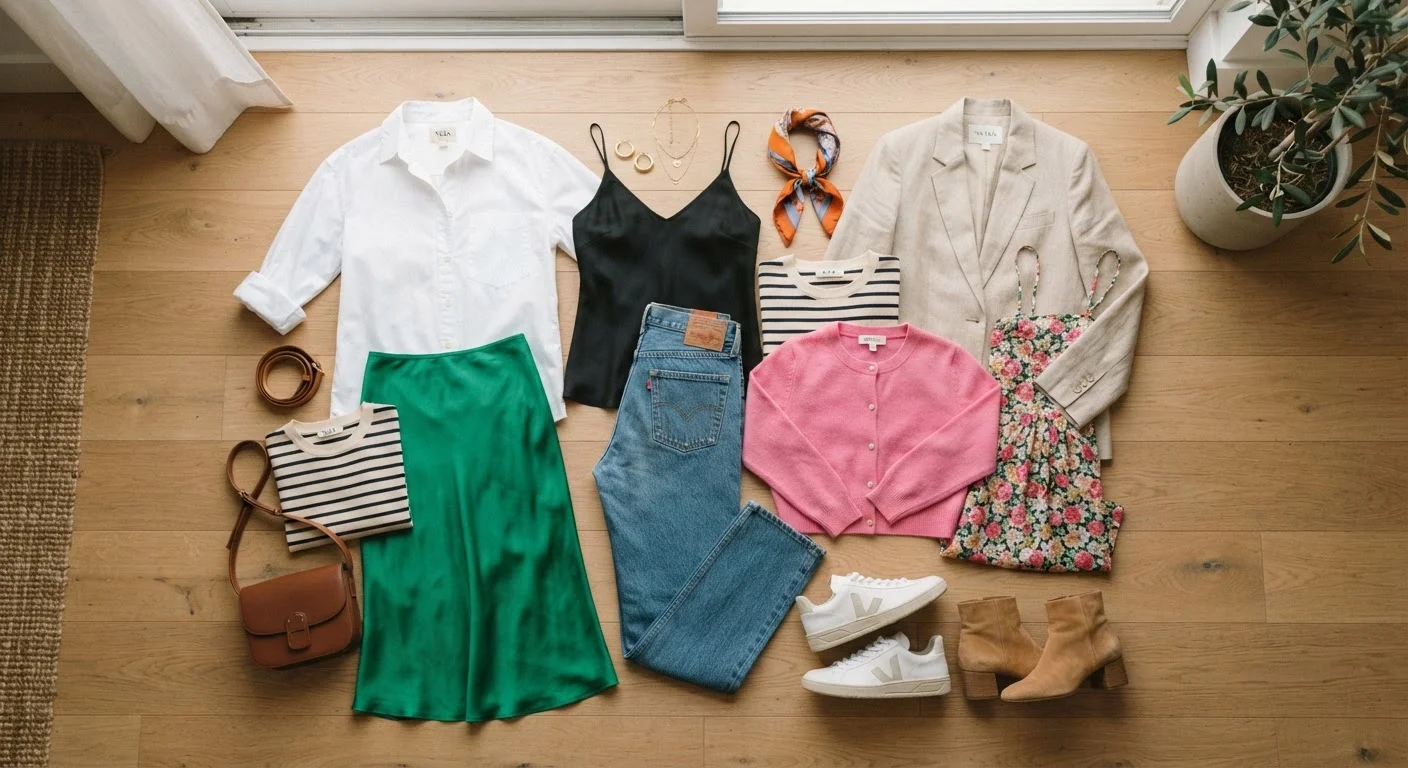
Key Takeaways
Keeps your wardrobe feeling current and energized
Incorporating even one or two trend pieces can refresh outfits you already own, making existing basics feel new again without a full wardrobe overhaul.
Connects you to broader cultural conversation
Fashion trends often reflect shifts in music, art, and social movements. Engaging with them - even casually - can deepen your sense of cultural awareness and self-expression.
Encourages creative experimentation with style
Trying a new silhouette or color palette you wouldn't normally reach for can reveal surprising preferences and expand your personal style vocabulary over time.
Can improve shopping efficiency and confidence
Understanding what's current helps you navigate stores and online retailers more decisively, reducing browsing fatigue and impulse purchases born from aimless scrolling.
Trend cycles create constant financial pressure
Seasonal refreshes happen faster than most budgets can absorb. Chasing each new look leads to chronic overspending without a meaningful improvement in wardrobe quality.
Trend-driven pieces often lack longevity
Garments designed around a moment rather than a lifestyle tend to feel dated within a year or two, contributing to closet clutter and a poor cost-per-wear ratio.
Heavy trend focus can dilute personal style
When your wardrobe is built around external signals rather than personal preferences, it becomes harder to develop a coherent, authentic aesthetic that genuinely reflects who you are.
Fast-fashion trends carry real environmental costs
The volume of clothing produced to meet trend demand contributes significantly to textile waste and resource consumption - factors worth weighing as a conscious consumer.
Social media amplifies trend anxiety
Algorithmic feeds create the impression that trends move faster and matter more than they do in real life, making it easy to feel perpetually behind or out of touch.
Our Verdict
Keeping up with trends isn't inherently good or bad - it depends entirely on how intentionally you approach it. Dabbling selectively can keep your wardrobe feeling fresh and connected to culture, but letting trends drive every purchase leads to clutter, overspending, and a style that feels disconnected from who you actually are. The sweet spot is treating trends as options, not obligations.
Ideal for anyone who enjoys fashion as self-expression but wants a practical framework for deciding which trends are worth the investment and which to skip.
What Does 'Keeping Up With Trends' Actually Mean?
Trend-following exists on a spectrum. At one end, you have dedicated early adopters who refresh their look every season. At the other, people who haven't bought anything new in years. Most of us land somewhere in the middle - curious about what's current but not willing (or able) to reinvent our closets every few months.
Understanding where you fall on that spectrum, and why, is the first step to making smarter wardrobe decisions. If you've ever wondered whether your style instincts are serving you or stressing you out, you're in exactly the right place. For a deeper look at how personal style evolves over time, check out why personal style fades and how to keep it alive.
The Pros: Real Benefits of Following Trends
Trends aren't just frivolous noise - there are genuine upsides to staying style-aware, especially when you engage with them thoughtfully.
Keeps your wardrobe feeling current and energized
Incorporating even one or two trend pieces can refresh outfits you already own, making existing basics feel new again without a full wardrobe overhaul.
Connects you to broader cultural conversation
Fashion trends often reflect shifts in music, art, and social movements. Engaging with them - even casually - can deepen your sense of cultural awareness and self-expression.
Encourages creative experimentation with style
Trying a new silhouette or color palette you wouldn't normally reach for can reveal surprising preferences and expand your personal style vocabulary over time.
Can improve shopping efficiency and confidence
Understanding what's current helps you navigate stores and online retailers more decisively, reducing browsing fatigue and impulse purchases born from aimless scrolling.
One underrated benefit is that trend awareness sharpens your eye over time. Knowing what's current makes it easier to spot quality and proportion at a glance, skills that pay off whether you're shopping new or secondhand. Speaking of which, shopping secondhand online vs. in-store is one of the most budget-friendly ways to experiment with a trend before committing fully.
The Cons: Where Trend-Chasing Goes Wrong
The downsides of trend-following are just as real, and for many shoppers, they quietly outweigh the benefits without anyone noticing until the credit card bill arrives.
Trend cycles create constant financial pressure
Seasonal refreshes happen faster than most budgets can absorb. Chasing each new look leads to chronic overspending without a meaningful improvement in wardrobe quality.
Trend-driven pieces often lack longevity
Garments designed around a moment rather than a lifestyle tend to feel dated within a year or two, contributing to closet clutter and a poor cost-per-wear ratio.
Heavy trend focus can dilute personal style
When your wardrobe is built around external signals rather than personal preferences, it becomes harder to develop a coherent, authentic aesthetic that genuinely reflects who you are.
Fast-fashion trends carry real environmental costs
The volume of clothing produced to meet trend demand contributes significantly to textile waste and resource consumption - factors worth weighing as a conscious consumer.
Social media amplifies trend anxiety
Algorithmic feeds create the impression that trends move faster and matter more than they do in real life, making it easy to feel perpetually behind or out of touch.
Trends vs. Fads: A Useful Distinction
Not everything labeled a 'trend' carries the same staying power. A true trend evolves gradually and often influences mainstream style for several seasons. A fad peaks and disappears quickly - think hyper-specific micro-aesthetics that dominate feeds for a month and then vanish. Learning to spot the difference can save both money and regret. When in doubt, give something 30 days before purchasing.
It's also worth recognizing the psychological dimension. Constant trend exposure - especially through social media - can erode your sense of what you actually like versus what you've been told to want. Common myths about personal style are worth examining before your next shopping trip.
Finding Your Balance: A Smarter Approach
The goal isn't to swear off trends or chase every one of them - it's to become a more deliberate consumer. A few principles make that easier in practice.
~60%
of clothing items worn fewer than 5 times
Industry research suggests a significant share of wardrobe items are rarely worn, often because they were purchased to chase a passing trend rather than fill a genuine need.
3x
longer average garment lifespan if worn more often
According to sustainability advocates, wearing a piece just three times more than average significantly reduces its overall environmental footprint per use.
Ask these questions before buying a trend piece:
- Does this work with at least three things I already own?
- Would I still want to wear this in 18 months?
- Can I afford this without stretching my budget?
Treating trends the way savvy car owners treat vehicle upgrades - asking whether the value justifies the cost - is a useful mental model. Much like the debate around keeping a car long-term vs. trading it in, the right answer depends on your priorities, not a universal rule. For more style perspective across everyday fashion and personal care, explore our Style & Beauty hub.