

Cars & Driving

The Seasonal Car Maintenance Checklist Every Driver Should Run

Share
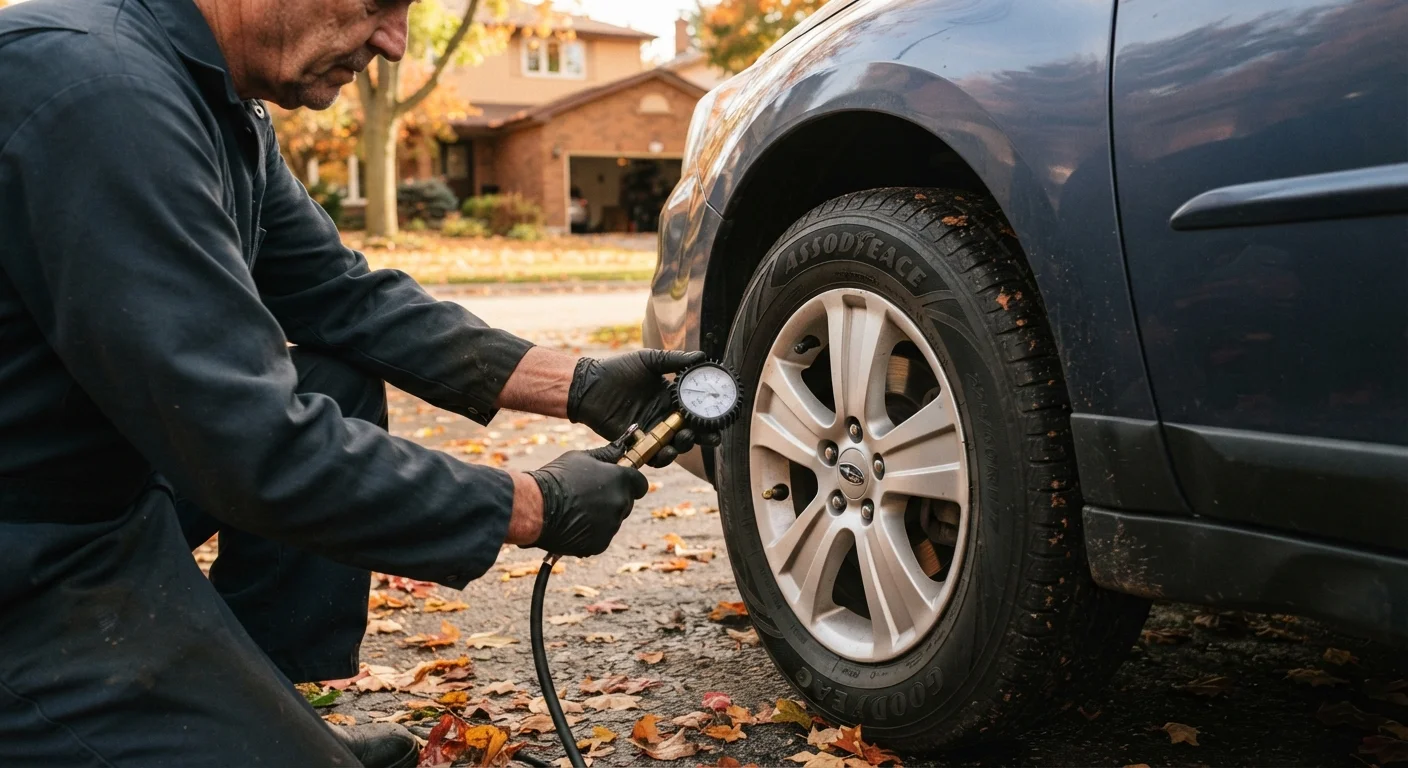
Driver checking tire pressure on a car parked in a driveway with autumn leaves

Key Takeaways

Seasonal checks catch wear issues before they become costly repairs or safety hazards.
Tires, fluids, brakes, and lighting are the four pillars of every season transition.
Many checklist items are DIY-friendly and require only basic tools.
Winter and summer preparation demand the most attention due to temperature extremes.
Your owner's manual is the authoritative source for your vehicle's specific service intervals.
30–60 min

Summary

24 items · 30–60 minutes per seasonal check

Why Seasonal Maintenance Pays Off

Most vehicle breakdowns don't come out of nowhere — they develop gradually through neglected fluids, worn components, and deferred inspections. Running a structured seasonal check four times a year is one of the most cost-effective habits a driver can build. It keeps small problems visible before they escalate into expensive repairs or, worse, roadside emergencies.

This checklist is organized by the four seasonal transitions. Not every item requires a professional mechanic — many are straightforward visual or manual checks any driver can perform in a driveway. For a deeper look at which tasks are genuinely DIY-friendly, see our guide to maintenance tasks easier than most drivers assume. When a task is outside your comfort level or requires specialized tools, always defer to a qualified shop.

Before diving into the checklist, consult your owner's manual. Manufacturer-specified intervals for oil, transmission fluid, coolant, and brake fluid take precedence over general guidelines. Our maintenance schedule explainer breaks down what those service milestones actually mean.

Spring (Post-Winter Recovery)

Inspect tires for winter damage, uneven wear, and correct inflation after months of cold-weather pressure fluctuation. Must
Check all fluid levels — engine oil, coolant, brake fluid, power steering fluid, and windshield washer fluid — and top off or replace as needed. Must
Examine the undercarriage and wheel wells for rust or damage caused by road salt exposure. Should
Test wiper blades for streaking or skipping after winter use and replace if they're leaving gaps. Should
Wash and treat the exterior, including the undercarriage, to remove corrosive salt residue. Nice to have

Summer (Heat & Long-Trip Preparation)

Verify coolant level and condition; a 50/50 mix of antifreeze and water is the standard recommendation for most vehicles. Must
Check tire pressure weekly during hot months — heat causes pressure to rise, which can affect handling and wear. Must
Test the air conditioning system for adequate cooling and unusual odors that may signal mold or refrigerant issues. Should
Inspect the battery terminals for corrosion; heat accelerates battery degradation and summer is a common time for failures. Should
Replace the cabin air filter if it hasn't been done in 12,000–15,000 miles to maintain airflow and AC efficiency. Nice to have

Fall (Pre-Winter Preparation)

Measure tire tread depth using a tread-depth gauge or the penny test — replace tires at or below 2/32 inch. Must
Test the battery with a load tester (available at most auto parts stores) since cold weather dramatically reduces battery capacity. Must
Inspect brakes — pads, rotors, and brake lines — before winter driving conditions increase stopping distances. Must
Switch to winter-rated washer fluid with a freeze-resistant formula, and inspect the washer nozzles for clogs. Should
Check all exterior lights — headlights, taillights, turn signals, and brake lights — since shorter days mean more driving in the dark. Should
Verify that your emergency kit is stocked: jumper cables, ice scraper, blanket, flashlight, and basic first aid supplies. Nice to have

Winter (Cold-Weather Operation)

Check tire pressure after every significant temperature drop — tire pressure falls approximately 1 PSI for every 10°F decrease. Must
Keep the fuel tank at least half full to prevent fuel line freeze in extreme cold and to add weight over the drive axle. Should
Inspect windshield wipers for ice buildup and consider winter-specific blades if you live in a heavy-snow region. Should
Allow a brief warm-up period in extreme cold — not an extended idle, but enough for oil to circulate before driving. Should
Check four-wheel-drive or all-wheel-drive engagement (where applicable) to confirm the system operates correctly before you need it. Nice to have
Clean snow and ice fully from all windows, lights, mirrors, and the roof before every drive. Must

Tools You'll Need

You don't need a fully equipped garage to run most of these checks. The items below cover the majority of inspection tasks on this list. For anything beyond a visual check — brake pad measurement, fluid condition testing, or alignment assessment — a qualified mechanic should take over.

Required

Tire pressure gauge

Check tire inflation to manufacturer specs each season and after temperature swings.

Required

Tread-depth gauge

Measure remaining tire tread to determine if replacement is needed before winter.

Required

Flashlight or work light

Illuminate the undercarriage, engine bay, and brake components for visual inspection.

Optional

Battery load tester

Test battery health under load to catch failing batteries before cold weather exposes them.

Optional

Fluid test strips

Quickly assess the condition of coolant and brake fluid without draining the system.

Optional

OBD-II code reader

Read stored diagnostic trouble codes if the check engine light is on, helping identify issues early.

Know When to Stop and Call a Pro

Visual inspections have limits. Brake system components, suspension parts, and steering linkages require hands-on evaluation by a qualified mechanic to assess properly. If anything on your checklist reveals a condition you can't confidently measure or correct yourself, schedule a shop visit before driving further. Refer to our guide on DIY vs. shop maintenance to understand which tasks cross that line.

What to Do When You Find a Problem

A checklist is only useful if you act on what it surfaces. If a check reveals low tire tread, a fluid that looks discolored, or a brake pad that's worn thin, schedule service promptly — don't mark it as noted and move on. Safety-critical items like brakes, tires, and steering components should never wait.

If your check engine light comes on during or after your inspection, don't ignore it. Our article on why your check engine light comes on explains the most common triggers and when a mechanic visit is urgent. For a full picture of your vehicle's annual running costs, including what deferred maintenance actually adds up to, the annual vehicle cost audit checklist is a useful companion. And before every drive — regardless of season — a quick pre-drive safety check takes under two minutes and can catch issues that matter.

This article is for general informational and educational purposes. Vehicle condition and service needs vary by make, model, age, and driving conditions. Always follow your manufacturer's guidelines and consult a qualified mechanic for repairs beyond your skill level or comfort.

Cars & Driving Editorial Team is the collective byline for our editorial team and contributor network. Articles published under this byline or an editorial pen name are researched, written, and reviewed according to our editorial standards for clarity, consistency, and independence before publication.

View all articles by Cars & Driving Editorial Team →
Disclaimer: The content on this site is for informational purposes only and is not a substitute for professional advice. Always consult a qualified professional for guidance specific to your situation.