

Key Takeaways
The Bulk-Buying Promise - and Where It Falls Short
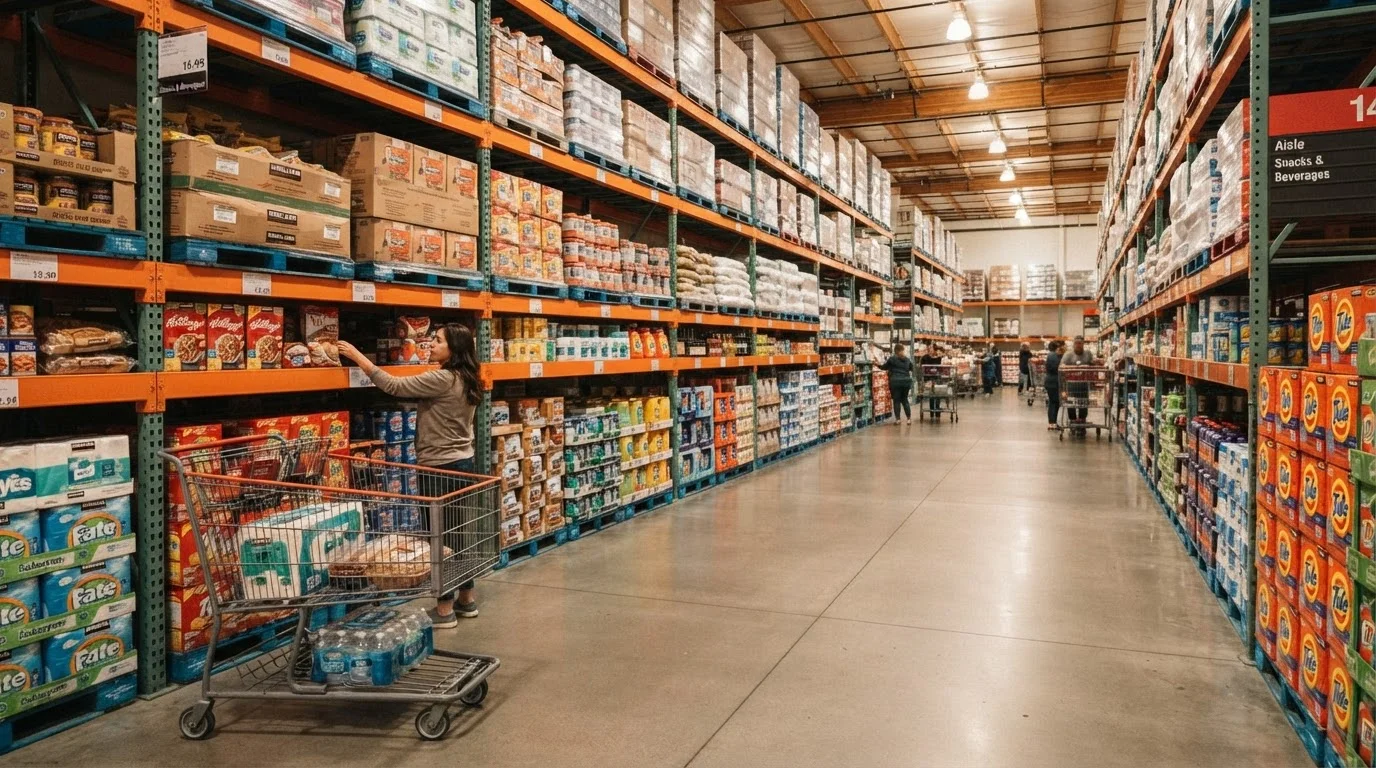
Walk through any warehouse store and the value proposition seems obvious: bigger packages, lower prices, fewer trips. But bulk buying is one of those shopping strategies that works brilliantly in some situations and quietly drains budgets in others. The difference usually comes down to three factors: unit price, shelf life, and your household's realistic consumption rate.
Before loading your cart with a 72-count anything, it's worth understanding when the math actually works in your favor - and when the apparent discount disappears into expired product and wasted space. Start by reading unit price labels on every purchase; that single number cuts through packaging psychology and tells you the real cost per ounce, sheet, or count.
~$1,500
Average annual U.S. household food waste cost
USDA research estimates that American households waste between $1,000 and $2,000 worth of food per year, making spoilage the primary hidden cost of poor bulk-buying decisions.
30-40%
Typical unit-price savings on bulk cleaning supplies
Consumer research frequently finds that cleaning and paper products purchased in warehouse quantities carry meaningful per-unit discounts compared to standard grocery retail pricing.
Product Categories Where Bulk Buying Genuinely Pays Off
Certain product types are structurally well-suited to bulk purchasing. They share a few key traits: long or indefinite shelf life, consistent household use, and no quality degradation from storage.
Buy paper products, cleaning supplies, and toiletries in bulk whenever unit prices are lower.
These items have essentially indefinite shelf lives, require no refrigeration, and most households use them at a predictable, steady rate. There is no spoilage risk and no quality change from being stored in a closet for six months.
Stock up on shelf-stable pantry staples you use at high volume.
Dry goods like rice, dried pasta, canned goods, cooking oils, and dried beans have long shelf lives and are used across dozens of meals. Buying in larger quantities reduces per-meal ingredient cost without any spoilage risk if properly stored.
Purchase over-the-counter medications and vitamins in bulk only when you have verified dosing needs and the expiration date allows full use.
Common OTC products like pain relievers or allergy medications can represent real bulk savings for frequent users, but expiration dates matter - and medical decisions should always involve a qualified healthcare professional, not just a shopping strategy.
Bulk-buy freezer-friendly proteins and prepared foods if your household uses them consistently.
Meat, poultry, and some prepared foods bought in bulk and frozen immediately can lower per-serving cost significantly. The key is having adequate freezer space and a realistic meal plan that will draw down the supply.
For a broader framework on stretching your grocery and household budget, budgeting basics can help you decide how much to allocate to stock-up purchases without overextending.
Where Bulk Buying Quietly Wastes Your Money
The categories that look like obvious wins at warehouse stores can become costly mistakes when you account for spoilage, changing tastes, or simply owning more than you'll ever use.
It's also worth checking whether the warehouse unit price actually beats what's available through other channels. Online versus in-store comparisons can reveal that a standard retailer running a sale beats the bulk price - especially on items where you'd need to buy far more than you need to get the warehouse discount.
Similarly, the question of brand versus store-label bulk products matters. Store brands often match name-brand quality in commodity categories, which can improve bulk savings further - or confirm that a name-brand bulk item isn't as exceptional a deal as it appears.
Bulk Buying and Convenience Costs Are Related
One overlooked element of bulk economics is the convenience cost it offsets - or creates. Buying in bulk reduces shopping trips and last-minute store runs, which have their own time and money costs. However, convenience premiums cut both ways: if bulk buying leads you to over-purchase perishables because they're easy to grab, you've simply traded one cost for another. Factor in your household's actual patterns, not an idealized version of them.
Making the Decision: A Practical Checklist Before You Buy in Bulk
Bulk buying rewards deliberate shoppers, not impulse ones. Before committing to a large-quantity purchase, run through these questions:
- Is the unit price lower? Calculate cost per ounce, count, or serving and compare it to standard retail and store-brand alternatives.
- Will we use all of it before it expires or degrades? Be honest about consumption pace, not optimistic.
- Do we have space to store it properly? Improperly stored bulk items - especially food - lose their value faster.
- Have we used this product before? Never buy in bulk something you haven't tested in a smaller size. Preferences change, and being locked into 200 units of a product you dislike is a real cost.
- Does the membership fee factor in? Warehouse store memberships carry annual fees. If your bulk purchases don't generate enough savings to offset that fee, the economics shift significantly.
Bulk buying is one piece of a broader smart-shopping approach. For a more complete foundation, this consumer starting point guide covers budgeting, quality evaluation, and resisting the impulse triggers that warehouse stores are specifically designed to activate.
Split Bulk Purchases With Someone You Trust
If a bulk quantity is more than your household can use before expiration, consider splitting the purchase with a neighbor, family member, or friend. You both get the per-unit discount without the spoilage risk. This works especially well for perishables, seasonal items, or products you want to try before committing to an entire bulk supply on your own.