
Pattern Mixing, Monochrome, and Layering: Understanding Everyday Style Techniques

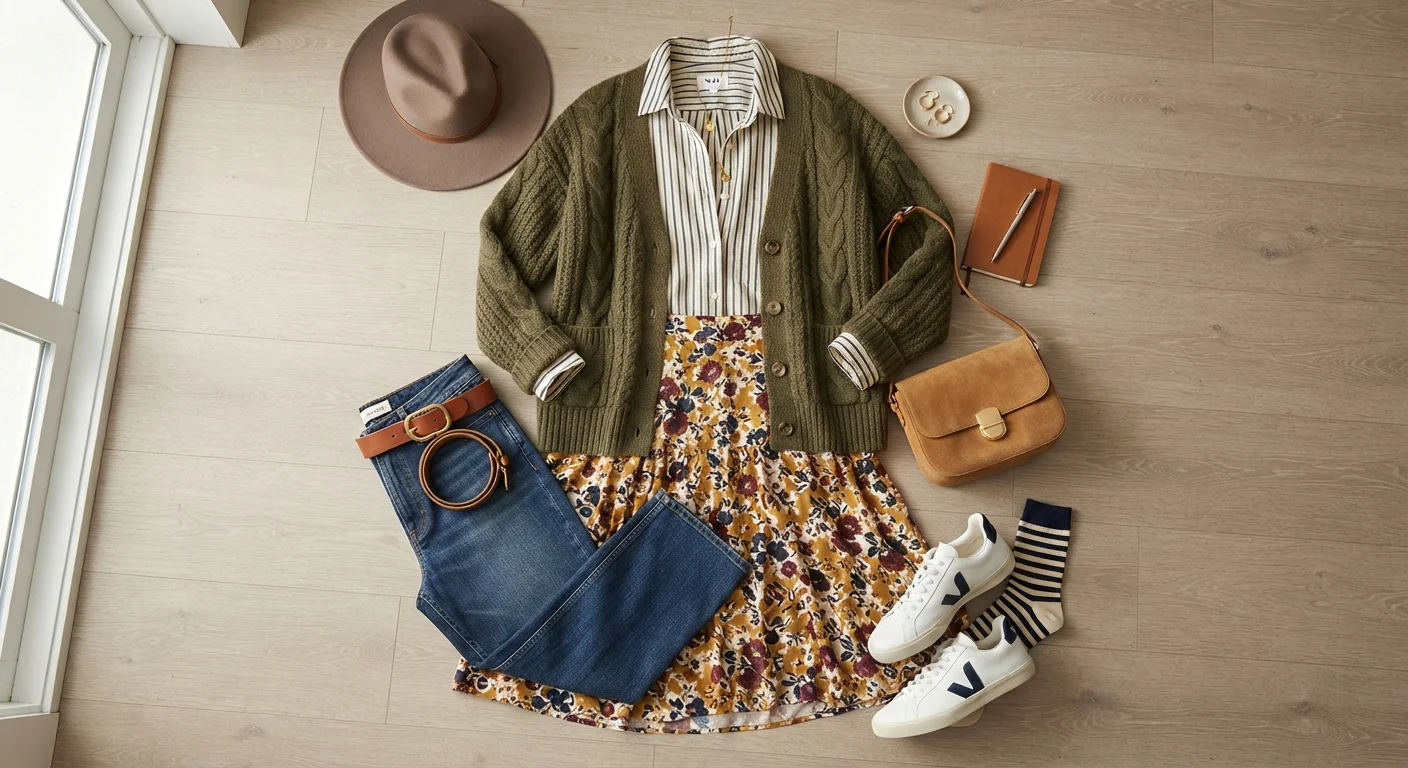
Key Takeaways
Everyday Style Techniques
Everyday style techniques are practical methods for building and wearing outfits with intention. Pattern mixing involves combining two or more distinct prints in one look. Monochrome dressing means wearing a single color family head to toe. Layering is the art of stacking clothing pieces to create visual depth and adapt to changing conditions.
These techniques draw on basic principles of visual contrast, color theory, and proportion - the same tools used by professional stylists and fashion designers.
Why These Three Techniques Matter
Most style frustration comes not from lacking clothes, but from lacking a framework for combining them. Pattern mixing, monochrome dressing, and layering are three foundational techniques that give everyday outfits structure and intention. Once you understand how each one works, the same wardrobe you already own can generate dramatically more outfits.
These methods aren't trend-dependent - they're built on principles of color, proportion, and visual contrast that hold up across seasons. If you're still figuring out your personal aesthetic, see our guide to finding your aesthetic before diving in - knowing what you gravitate toward makes it easier to apply these techniques with confidence.
3-5x
More outfit combinations from same wardrobe pieces
Style educators and wardrobe consultants commonly estimate that learning basic outfit-building techniques can multiply the number of wearable combinations from an existing closet by several times.
60%
Of Americans feel their wardrobe doesn't reflect their style
Consumer surveys on wardrobe satisfaction suggest a majority of people feel disconnected from their clothing choices, often due to a lack of styling knowledge rather than a lack of items.
Pattern Mixing: The Rules That Actually Help
Pattern mixing sounds risky, but it follows a straightforward logic. The two most reliable guidelines: vary the scale of your patterns, and ensure they share at least one anchor color. A large botanical print paired with a small geometric check in overlapping tones reads as intentional rather than accidental.
Common patterns to experiment with include stripes, florals, plaids, animal prints, and abstract prints. Stripes are particularly forgiving - they function almost like a neutral and pair easily with bolder prints. Start with two patterns before introducing a third, and let one pattern carry the visual weight while the other plays a supporting role.
For a deeper look at how pattern fits into the broader picture of your style, our explainer on color, pattern, and silhouette covers all three visual levers together.
Monochrome Dressing: More Than One Shade
A monochrome outfit doesn't mean wearing the exact same color from neck to ankle - it means staying within one color family and letting variation in shade and texture do the work. A camel turtleneck, tobacco-brown trousers, and tan loafers form a cohesive monochrome look precisely because the tones are related but distinct.
Texture is the secret ingredient here. Pairing a matte fabric with something with sheen, or a chunky knit with a smooth pant, creates enough visual interest to prevent the look from falling flat. Monochrome is also one of the most consistently polished approaches for professional or semi-formal contexts - it reads as deliberate and put-together without heavy effort.
Start Monochrome With Neutrals
If you're new to monochrome dressing, start with a neutral family - white, cream, beige, grey, or black - before moving into bolder colors. Neutrals are forgiving and give you the chance to practice varying texture and shade without worrying about color matching. Once you're comfortable, shift to warmer or cooler color families.
If you're unsure which color families work best for you, understanding your skin undertones can sharpen your instincts. Our article on skin undertones explains how warm, cool, and neutral tones interact with clothing color.
Layering: Building Outfits With Depth
Layering is both a style technique and a practical one - it helps you adapt to changing temperatures without sacrificing a cohesive look. The key is thinking in terms of fit progression: fitted pieces underneath, looser or structured pieces on top. A fitted T-shirt under an open overshirt under a structured coat, for example, creates clear visual layers without bulk.
Proportion matters as much as the pieces themselves. Tucking in or half-tucking a base layer, letting a longer inner layer peek below a shorter outer one, or rolling sleeves to reveal contrast underneath are all small moves that communicate intentionality. Minimalist and maximalist dressers approach layering differently, but both styles can benefit from it.
For practical guidance on applying these techniques across different settings - office, weekend, evening - see our guide to dressing across contexts.
“Getting dressed should feel like a conversation with your wardrobe, not a test you might fail. The techniques are just vocabulary - once you know them, you can say whatever you want.”
— Tim Gunn, Fashion educator and author on style fundamentals